
Quick Answer
For successful maidenhair fern care, keep Adiantum raddianum in bright, filtered light and a porous potting mix that stays evenly moist without remaining waterlogged. Check the mix itself rather than watering on a fixed schedule. Water before the entire root ball becomes dry, then let excess water drain completely.
Higher humidity can slow water loss from the delicate fronds, but humidity does not compensate for saturated roots, poor drainage, very low light, or hot air from a vent. Brown, crispy leaflets will not turn green again. A stressed plant may produce new fronds only if its crown, rhizomes, and enough roots remain alive.
“Maidenhair fern” is a common name used for many species in the genus Adiantum. This guide focuses on the tender indoor plant most often sold as delta maidenhair fern, Adiantum raddianum, including cultivars derived from that species.
Maidenhair Fern at a Glance
| Guide focus | Adiantum raddianum and its cultivated forms |
|---|---|
| Accepted botanical name | Adiantum raddianum C.Presl; Adiantum cuneatum is an older synonym seen in horticulture |
| Common names | Delta maidenhair fern, maidenhair fern |
| Plant type | Tender evergreen perennial fern; also able to grow as a lithophyte in suitable habitats |
| Native range | Mexico through tropical America |
| Typical cultivated size | Often about 1–2 feet tall and wide under favorable conditions, with variation among cultivars and growing environments |
| Outdoor hardiness | Generally listed for USDA Zones 10–11; protect from frost |
| Indoor light | Bright indirect light, diffused sun, or bright filtered light |
| Water | Evenly moist, well-aerated root zone; neither fully dry nor continuously saturated |
| Humidity | Benefits from humid air, especially where heating or air conditioning dries the room |
| Propagation | Division of established rhizomes or spores |
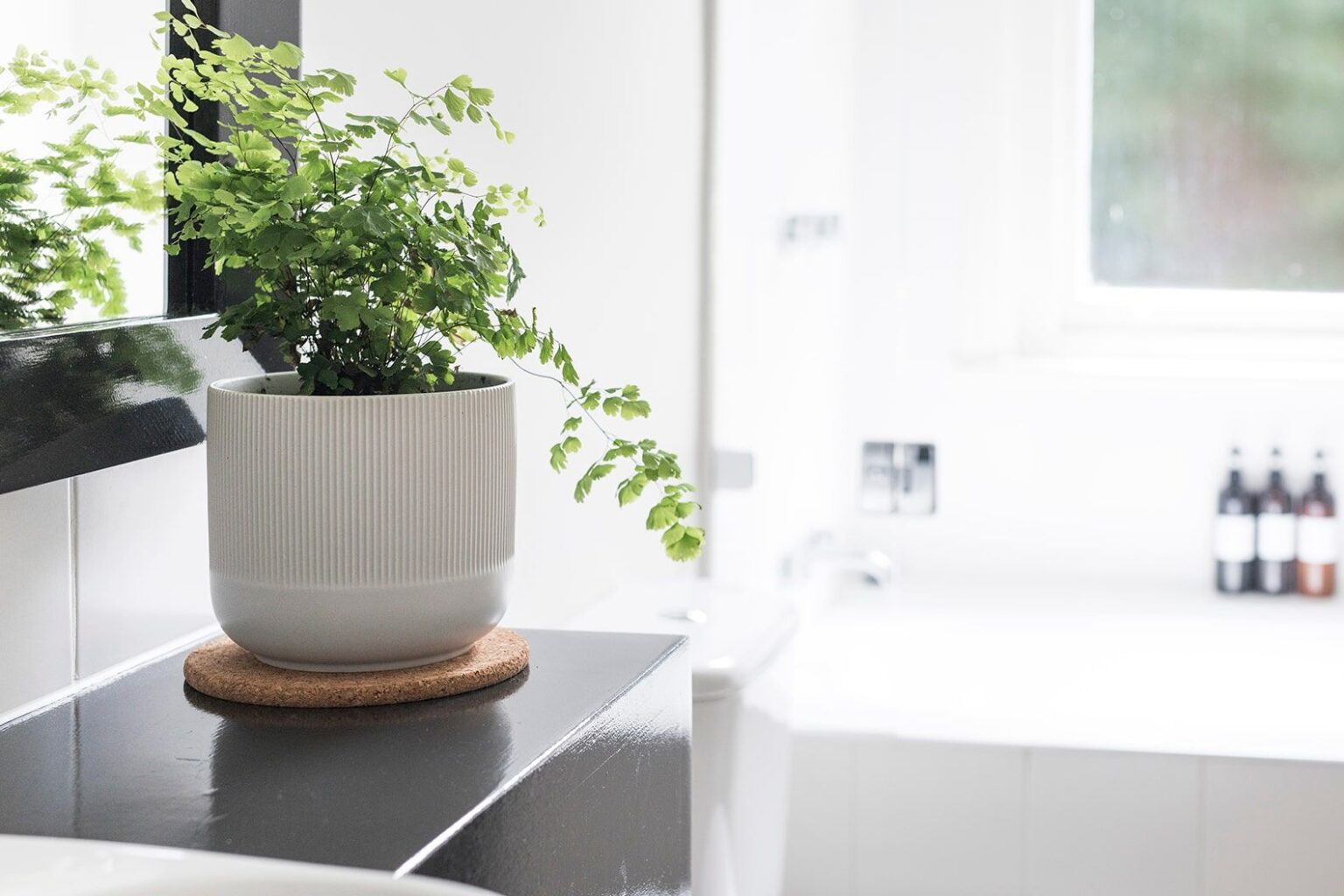
What Is a Maidenhair Fern?
Maidenhair ferns belong to the genus Adiantum in the family Pteridaceae. They share dark, polished stalks and delicate leaf segments, but the common name covers many species with different tolerances.
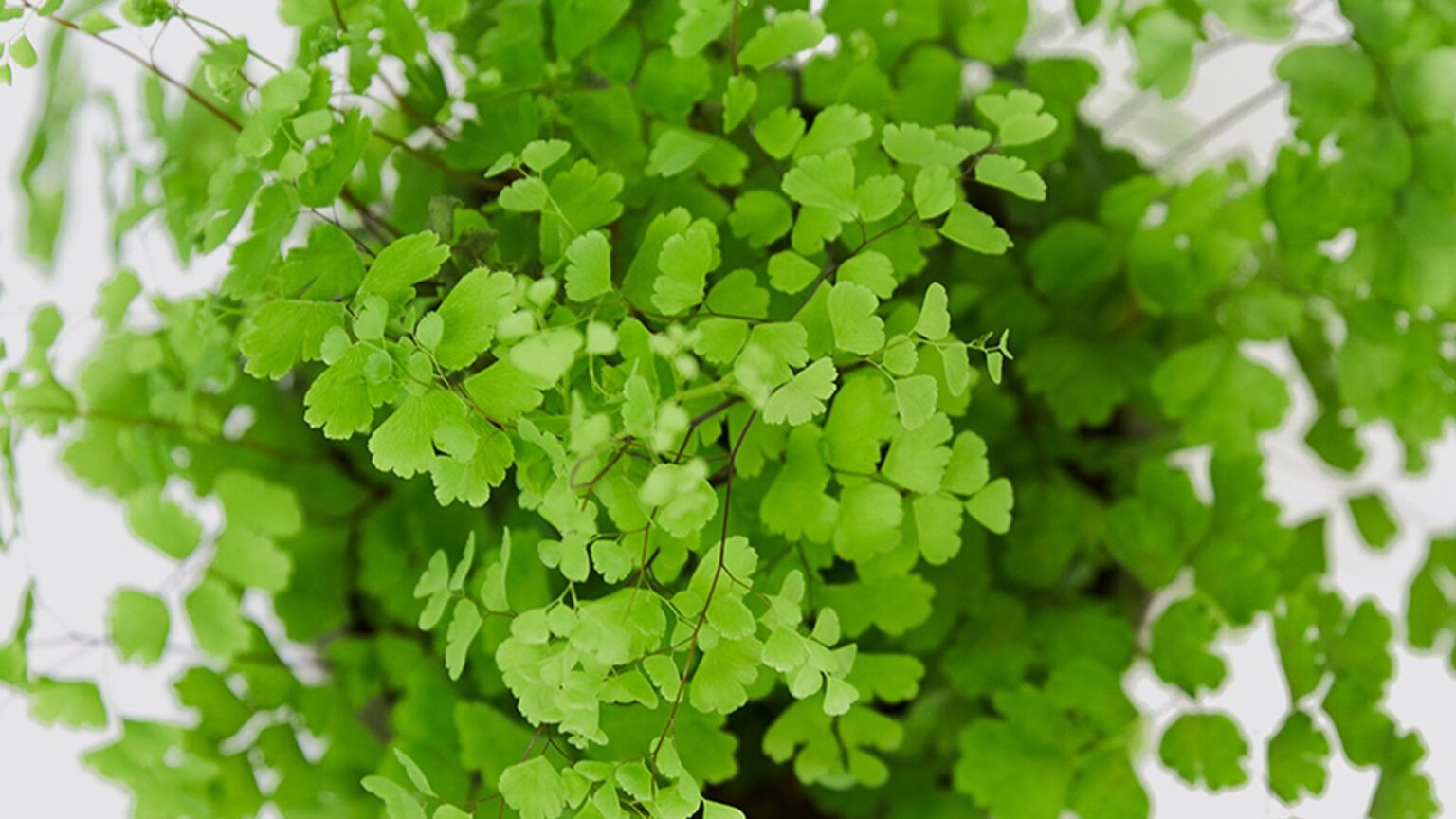
Adiantum raddianum has triangular, finely divided fronds rising from short, branching rhizomes. Healthy indoor plants are generally evergreen, although drought, cold, root damage, or abrupt change can cause dieback.
Which Maidenhair Fern Does This Guide Cover?
This page is written for Adiantum raddianum. A nursery tag may use “delta maidenhair,” a cultivar name, or the older synonym Adiantum cuneatum. A plant labeled only Adiantum cannot be identified from the common name alone.
| Plant | How it differs | Care implication |
|---|---|---|
| Adiantum raddianum | Tender, tropical American species commonly grown indoors; triangular, highly divided fronds. | Use this page as the main guide. |
| Adiantum pedatum | Temperate northern maidenhair with fan-like frond architecture; deciduous and much more cold-hardy. | Better treated as a shaded woodland garden fern, not as a tropical houseplant. |
| Adiantum capillus-veneris | A widespread species associated with moist, often lime-rich sites; hardiness and behavior vary with origin and conditions. | Do not assume every recommendation for A. raddianum applies unchanged. |
| Adiantum hispidulum | Often called rough or rosy maidenhair; new growth can show bronze or rosy tones and the fronds have a different texture. | Its tolerance and outdoor use can differ from delta maidenhair. |
| Adiantum melanoleucum | Fragrant maidenhair is a separate species. | Its wild distribution does not belong in a care guide centered on A. raddianum. |
Light
Give an indoor maidenhair fern bright indirect light or diffused sun. Strong direct sun can scorch the thin leaflets, while deep shade can produce weak, sparse growth and dull color. The goal is a bright location where the plant is not heated by intense midday or afternoon rays.
Useful placements include a bright north-facing window, a protected east-facing window, a bright bathroom with a window, or a position behind a sheer curtain near a sunnier exposure. A dark bathroom is not suitable merely because it is humid. With a grow light, adjust distance and duration according to the lamp and the fern’s response.
Scorch tends to appear on the side facing the strongest light as pale, tan, or crisp patches. Insufficient light is more likely to cause slow growth, leaning, widely spaced fronds, and persistent wetness in the pot because the plant uses water slowly. See Do Ferns Need Direct Sunlight? for a fuller light guide.
Watering
Adiantum raddianum is less tolerant of a fully dried root ball than many common houseplants, but “keep moist” does not mean leaving the roots submerged. Check the surface, the mix just below it, the weight of the pot, and the condition of the plant. Water when the surface is beginning to lose its damp feel while the inner root zone still retains some moisture.
Moisten the root ball evenly, allow drainage, and empty saucers or cachepots. If water runs down the sides of a very dry pot without wetting the center, rehydrate gradually or soak the inner pot briefly, then drain thoroughly.
Water demand changes with light, airflow, season, pot material, and root density. A root-bound fern in a bright room can dry much faster than a recently repotted plant in lower light. See How Often Should I Water a Fern?.
Humidity
Humid air reduces the rate at which thin maidenhair leaflets lose water, which is useful in heated or air-conditioned rooms. There is no single humidity percentage that guarantees success because water supply, light, temperature, air movement, pot size, and root health interact.
A clean room humidifier is usually more effective than misting. Grouping plants may have a modest local effect, and a pebble tray may help slightly if the pot remains above the water. Misting does not raise room humidity for long.
Clean humidifiers and trays, avoid damp walls, and provide gentle air exchange. Repeatedly wet foliage in stagnant air can favor disease.
Temperature
Keep the plant in stable, comfortably warm conditions. Cold drafts, heating registers, air conditioners, and cold window glass can damage or dry the fronds.
Adiantum raddianum is a tender species generally listed for USDA Zones 10–11. In colder climates, it should be kept indoors or treated as a seasonal container plant and brought inside before cold weather.
Potting Mix and Drainage
Use a clean, porous houseplant mix that holds moisture while preserving air spaces. A peat- or coir-based mix amended with perlite, pumice, or fine bark can work. Avoid dense garden soil.
The container should have drainage holes. Plastic or glazed pots generally lose moisture more slowly than unglazed terra-cotta, which can be useful in a dry home. Pot material does not replace correct watering: any container can stay too wet if it is oversized, poorly drained, or left standing in water.
Fertilizing
Feed only when the fern is actively producing healthy growth. Use a complete houseplant fertilizer at a conservative, label-directed rate, and apply it to already moist potting mix. A stressed, recently divided, severely dried, or root-damaged plant should recover before it is fertilized.
Fertilizer cannot correct low light or damaged roots. Brown margins after feeding or crust on the mix can indicate excess salts; pause feeding, verify drainage, and leach the mix if roots are healthy.
Pruning
Remove fully brown, broken, or dead fronds near the base with clean scissors. Crispy tissue cannot repair itself, so pruning improves appearance and lets you observe new growth. Do not remove healthy green fronds merely to force a fuller plant; they are supplying energy to the rhizomes.
If every frond has died, cutting the dead growth near the soil surface may make recovery easier to monitor. It does not guarantee regrowth. New fronds are possible only when living buds, rhizomes, roots, and enough stored energy remain.
Repotting
Repot when roots densely fill the container, water passes through unusually fast, or the mix has broken down. Choose a pot only modestly larger than the root ball; excess wet mix can remain saturated too long.
Moisten the plant before repotting, keep the crown at approximately the same depth, and handle the fine roots gently. Water after repotting and return the fern to stable filtered light. Some temporary frond loss can follow root disturbance. See the general fern repotting guide for container preparation and aftercare.
Propagation
Division is the most practical method for an established houseplant. Remove the fern from its pot and separate the rhizome mass into sections with roots and visible growing points or healthy fronds. Replant each section in fresh, evenly moist mix and protect it from strong sun while it re-establishes.
Do not divide a weak plant into many tiny pieces. Larger divisions retain more roots and stored reserves. Maidenhair ferns can also be raised from spores, but spore propagation is slower and requires careful moisture, sanitation, and management of the fern life cycle. For the general division process, see How to Divide Ferns.
Why Maidenhair Ferns Dry Out So Quickly
Thin fronds lose water rapidly in dry moving air. Small pots, dense roots, porous containers, strong light, heat, and old mix that resists rewetting can accelerate drying.
Do not solve repeated drying by keeping the pot saturated. Check for a root-bound plant, unevenly wet mix, a nearby vent, or excess sun and correct the cause.
Can a Dried-Out Maidenhair Fern Recover?
Sometimes, but recovery should not be promised. A frond that has turned brown and crispy is dead and will not become green again. Recovery means the plant produces new fronds from surviving crown or rhizome tissue.
Firm rhizomes, living buds, and non-mushy roots improve the odds. A collapsed crown or widespread root decay makes recovery unlikely.
Crispy Leaves Recovery Checklist
- Move the fern away from direct sun, heaters, and strong air-conditioning.
- Check whether the root ball is dry, partly moist, or still wet before adding water.
- If the mix is severely dry and repels water, rehydrate it gradually, then drain thoroughly.
- Trim fully dead fronds without damaging the crown or emerging shoots.
- Keep the mix evenly moist afterward, not permanently saturated.
- Provide bright filtered light and steadier humidity with gentle ventilation.
- Do not fertilize until healthy new growth shows that the roots are functioning.
- Judge recovery by new fronds, not by the appearance of old crispy foliage.
Common Problems
Dryness, excess water, low humidity, excess sun, low light, root damage, and pests can create overlapping symptoms. Do not diagnose from leaf color alone. Check the potting mix, pot weight, drainage, recent environmental changes, and roots when necessary.
Too Dry vs. Too Wet
| Clue | Too dry | Too wet or root-damaged |
|---|---|---|
| Potting mix | Dry through much of the pot; may pull from the sides or repel water. | Remains wet for a long time, especially in low light; may smell sour. |
| Pot weight | Noticeably light. | Heavy even several days after watering. |
| Fronds | Rapid crisping, brittle leaflets, dry curling, sudden collapse after missed watering. | Yellowing, soft decline, wilting despite wet mix, or fronds dying from the base. |
| Roots | Dry or shrunken but potentially firm. | Brown to black, soft, mushy, easily broken, or with outer tissue slipping away. |
| Best first action | Rehydrate evenly and correct the drying cause. | Stop automatic watering, inspect drainage and roots, and remove decayed tissue if present. |
Brown or Crispy Leaves
The most common causes are a root ball that dried too far, hot or dry moving air, direct sun scorch, damaged roots, or excess fertilizer salts. Pattern matters. Widespread brittle fronds after a missed watering point toward drought. Bleached or tan patches on the window-facing side suggest excess sun. Brown tips with wet mix may indicate root dysfunction rather than a need for more water.
Check the root zone before increasing humidity or watering. Trim dead tissue, correct the cause, and evaluate new growth. See Why Fern Leaves Develop Brown Tips for a broader diagnostic guide.
Yellow Leaves
An occasional older frond can yellow naturally, but widespread yellowing needs investigation. Persistent wetness, poor drainage, low light, root rot, fertilizer stress, and acclimation after a move can all contribute. If the mix is wet and the plant is wilting, do not assume it needs more water; damaged roots may be unable to supply the foliage.
Compare the location of yellowing, soil condition, and recent care changes. The detailed decision process is covered in Fern Leaves Turning Yellow.
Curling Leaves
Dry potting mix, low humidity, heat, direct sun, root damage, and pests can all cause curling. Newly emerging fern growth also starts curled and should not be confused with stress. Dry, papery curling usually points toward water loss; soft curling with wet mix requires a root and drainage check.
Use the symptom patterns in Why Are My Fern Leaves Curling? before changing several care factors at once.
Wilting
Wilting means the fronds are not maintaining normal water pressure, but it does not identify the cause. Both a dry root ball and rotted, oxygen-starved roots can leave foliage limp. Lift the pot, feel the mix at more than one depth, and inspect roots if the plant remains wilted while wet.
Root Rot
Root rot becomes more likely when the root zone remains saturated and poorly aerated. Warning signs include wet mix that does not dry normally, yellowing or wilting despite moisture, a sour odor, and dark soft roots. Remove the plant from the pot, cut away clearly decayed roots with sanitized tools, discard contaminated mix, and repot viable tissue in a clean container with fresh porous mix. Severe cases may not recover.
Pests
Scale insects and mealybugs are reported on Adiantum raddianum. Inspect dark stalks, leaflet undersides, and the crowded center of the plant. Isolate an infested fern from other houseplants. For a light infestation, physical removal may be possible. If using insecticidal soap or another labeled houseplant treatment, follow the label and test a small area first because maidenhair foliage is delicate.
Indoor vs. Outdoor Maidenhair Ferns
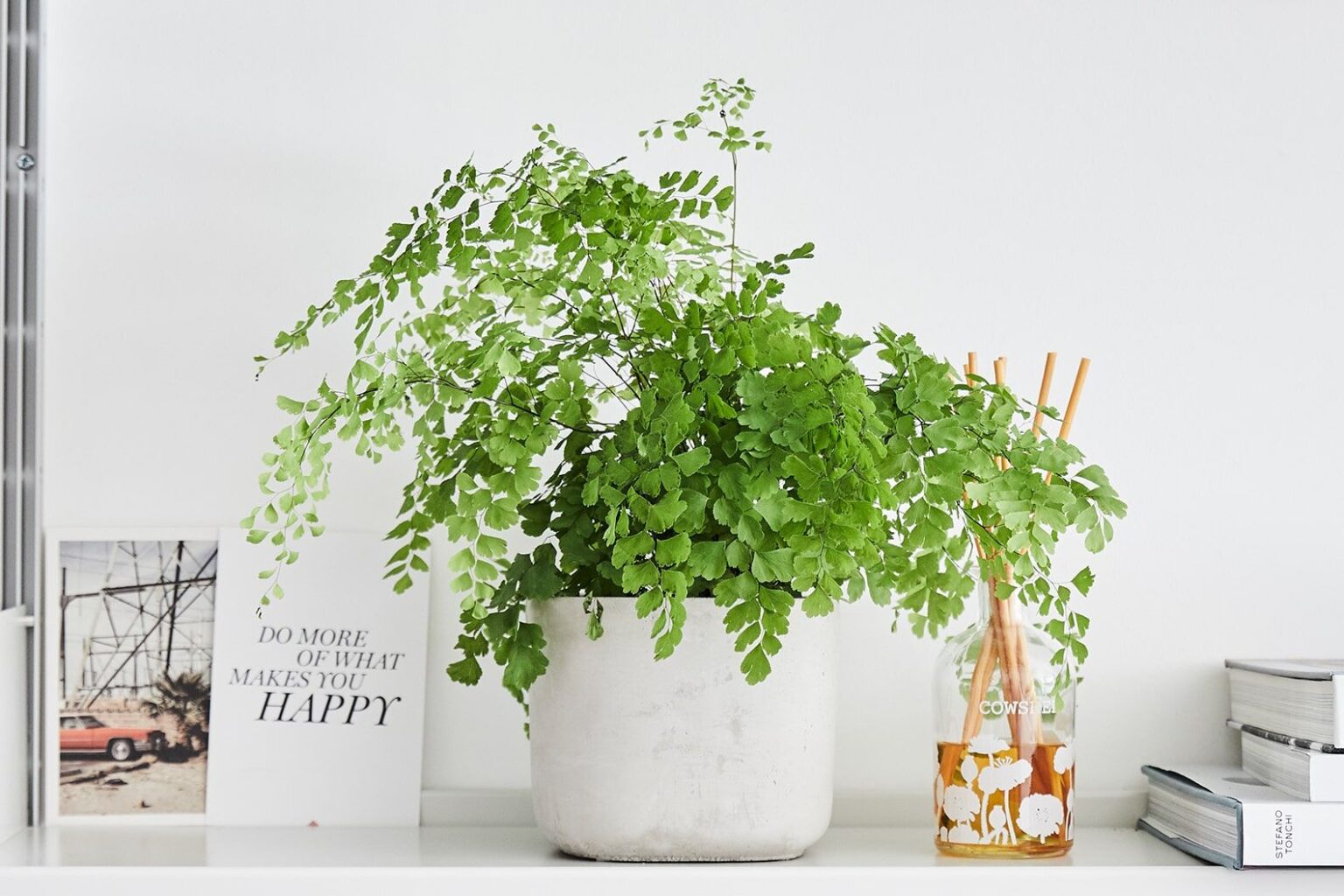
Indoors, success depends on balancing light, moisture, humidity, and airflow in a container. Outdoors, soil moisture, wind, rainfall, sun intensity, and winter temperature become more important. A sheltered, shaded summer position can suit a potted A. raddianum, but the plant should be acclimated gradually because indoor foliage can scorch outdoors even in partial sun.
Do not plant A. raddianum outdoors permanently in a cold climate simply because another maidenhair fern is hardy there. Temperate species such as Adiantum pedatum have very different seasonal behavior and cold tolerance. For general indoor management, visit Indoor Fern Care.
FAQ
How often should I water a maidenhair fern?
There is no reliable universal interval. Check the mix frequently and water before the root ball dries completely. Light, season, pot size, root density, and airflow determine how quickly water is used.
Should a maidenhair fern sit in water?
No. It benefits from consistent moisture, but ordinary potting mix should not remain submerged or airless. Empty drainage water unless the plant is in a properly designed and monitored self-watering system.
Is a bathroom the best place for it?
A bright bathroom can provide useful humidity. A dark bathroom, a room with no ventilation, or a spot exposed to cleaning-product fumes is not automatically suitable. Light and airflow still matter.
Does misting prevent crispy leaves?
Not reliably. Misting raises moisture around the leaf only briefly. A humidifier, better placement, and correct root-zone moisture are more dependable. Avoid repeatedly wet leaves in stagnant air.
Can I cut a dried maidenhair fern to the soil?
You can remove fully dead fronds near the base, but regrowth is not guaranteed. The plant can produce new fronds only if the crown, rhizomes, buds, and enough roots remain alive.
Can crispy maidenhair leaves become green again?
No. Crispy tissue is dead. Improvement is measured by healthy new fronds after the underlying problem is corrected.
Can I grow Adiantum raddianum outdoors?
Yes in suitable frost-free climates or as a shaded seasonal container plant. Do not confuse it with colder-hardy maidenhair species.
References
- Royal Botanic Gardens, Kew — Plants of the World Online: Adiantum raddianum. Accepted name, native range, habitat, synonyms, and classification.
- Royal Horticultural Society — Adiantum raddianum. Evergreen habit, tender hardiness, size, shade, and moist but well-drained conditions.
- Missouri Botanical Garden Plant Finder — Adiantum raddianum. Indoor light, moisture, hardiness, morphology, pests, and drought sensitivity.
- University of Florida IFAS Extension — Adiantum spp.: Maidenhair Fern. Genus-level variation, outdoor culture, species comparisons, and propagation.
- Penn State Extension — Humidity and Houseplants. Limits of misting and options for increasing indoor humidity.
- Iowa State University Extension — How to Care for Houseplants. Humidity practices, disease concerns, drainage, and root-rot prevention.
- University of Connecticut — Houseplant Watering Recommendations. Watering diagnosis, rewetting dry potting mix, pot size, and self-watering systems.
- University of Wisconsin Extension — Root Rots on Houseplants. Root-rot symptoms, sanitation, and management.
- NC State Extension — Plants Grown in Containers. Container drainage, root aeration, potting mixes, and self-watering containers.
- Missouri Botanical Garden Plant Finder — Adiantum pedatum. Comparison with a cold-hardy, deciduous maidenhair species.