
Fern problem diagnosis
Why Is My Fern Turning Brown? Brown Tips, Brown Patches and Dying Fronds
A brown fern is not always a dry fern. The location, texture and spread of the damage can help you distinguish routine aging from underwatering, root trouble, excessive light, salt buildup, pests or disease.
Quick Answer
Brown fern tips most often indicate that water is not reaching the ends of the fronds consistently. Possible causes include a dry root ball, irregular watering, dry indoor air, excessive fertilizer or mineral salts. However, soft dark patches and brown fronds in persistently wet soil point more strongly toward poor drainage or damaged roots.
First identify where the browning begins. Then check the potting mix, roots, light exposure and nearby heat or drafts before changing the plant’s care. Do not assume that every dry tip means low humidity.
Brown Tips vs. Brown Patches vs. Whole Brown Fronds
“My fern is turning brown” can describe several different symptoms. Separating them is the fastest way to narrow the list of possible causes.
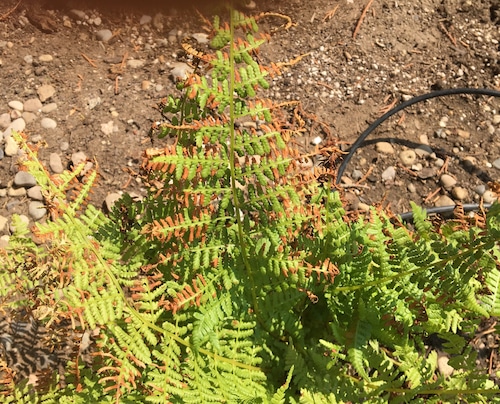
Brown tips and crispy edges
Usually connected with water stress at the ends of the fronds. Check for a dry root ball, inconsistent watering, salt deposits, excessive fertilizer, dry air or heat from a vent or window.
Brown patches within a frond
Directional patches may be sun or heat damage. Soft, wet-looking or expanding spots can be associated with damaged roots, physical injury or leaf-spot disease. The appearance alone is not enough to confirm an infection.
Entire fronds turning brown
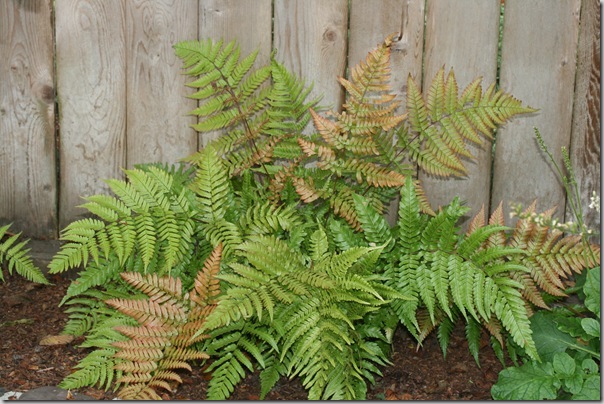
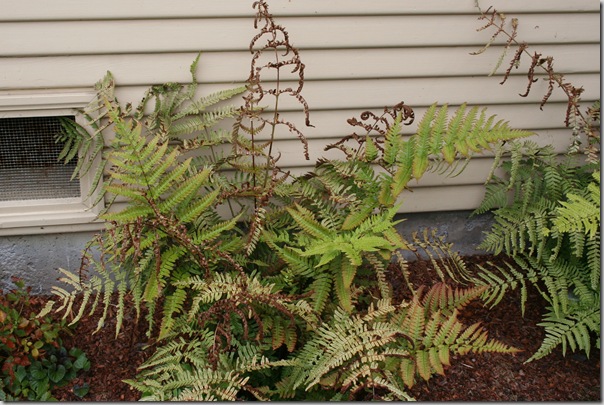
A few older basal fronds may simply be aging. Many fronds browning together can indicate a severely dry root ball, root rot, cold damage, sudden environmental change or seasonal dormancy in a deciduous garden fern.
Fern Browning Symptom Diagnosis Table
Use this table as a starting point, not as a final diagnosis. More than one stress may be present, especially after a fern has been moved or allowed to alternate between very dry and very wet conditions.
| Pattern | Likely causes | What to inspect | Immediate action | What not to do |
|---|---|---|---|---|
| Only the tips are brown | Inconsistent moisture, dry air, fertilizer or mineral salts | Moisture below the surface, white crust, recent feeding and nearby vents | Stabilize watering and check the water and fertilizer routine | Do not assume humidity is the only cause |
| Crispy edges | Dry root ball, hot air, sun exposure or low humidity | Pot weight, soil pulling from the pot, window heat and air movement | Rehydrate if dry and move away from concentrated heat | Do not keep water permanently in the saucer |
| Soft dark brown patches | Excess moisture, damaged roots, cold injury or possible disease | Wet soil, drainage holes, root color, odor and whether spots are spreading | Pause watering and inspect the root zone | Do not increase humidity without checking the roots |
| Brown areas on the sunny side | Sun scorch or heat against glass | Whether only exposed fronds are affected and whether tissue first looked pale | Move the fern back from direct sun and acclimate it gradually | Do not move it immediately into a very dark corner |
| Entire older fronds turning brown | Normal aging, seasonal change or accumulated stress | Whether new growth remains healthy and damage begins with the oldest fronds | Remove fully dead fronds when appropriate | Do not remove healthy green growth unnecessarily |
| Brown fronds with wet soil | Overwatering, poor drainage or root rot | Drainage, potting-mix density and brown, black or mushy roots | Let excess water drain and examine roots if decline is severe | Do not add more water because the foliage looks dry |
| Brown fronds with dry, shrunken soil | Severe underwatering or a root ball that is difficult to rewet | Gap around the pot edge, very light pot and water running straight through | Rewet the root ball thoroughly, then allow it to drain | Do not apply fertilizer to a dehydrated fern |
| Speckled browning with pests | Spider mites, scale, mealybugs or thrips | Frond undersides, webbing, sticky residue, raised bumps and moving insects | Isolate the plant and identify the pest before treatment | Do not spray an unidentified pesticide mixture |
| Seasonal browning outdoors | Normal dormancy in a deciduous fern, frost or drought | Species, season, weather and condition of the crown or rhizome | Confirm whether the fern is deciduous before intervening | Do not treat normal autumn dieback as root rot |
Underwatering and a Completely Dry Root Ball
Many commonly grown ferns perform poorly when their root ball repeatedly dries much further than the species can tolerate. The first visible damage may be dry tips, but prolonged water shortage can make whole fronds brittle, curled and brown.
Water according to the actual condition of the root zone rather than a fixed weekly schedule or a universal soil-drying percentage. Moisture needs differ among Boston ferns, maidenhair ferns, bird’s nest ferns, rabbit’s foot ferns, staghorn ferns and outdoor species.
If the root ball has become very dry, water slowly and thoroughly. If the mix repels water, set the draining container in shallow lukewarm water until the root ball begins to feel evenly moist. Remove it and let all excess water drain. Do not leave the pot standing in water afterward.
For a fuller watering method, see how often to water a fern.
Low Humidity
Dry indoor air can contribute to crisp tips and margins, especially during winter heating or when a fern sits near an air vent. It is not, however, the only possible cause of dry tips. A plant with dry air and damaged roots may be unable to replace the water lost from its fronds even if the potting mix looks wet.
Check humidity with a hygrometer if possible and compare nearby locations. A clean room humidifier is generally more dependable than occasional misting. Grouping plants may create a slightly less dry local environment, but it will not correct a severely dry room.
Avoid keeping fronds constantly wet, especially when the plant already has spreading spots or poor air circulation. Persistent moisture on foliage can favor some leaf diseases.
Sun, Heat and Environmental Change
Sun and heat damage
Browning concentrated on the side facing a bright window or exposed part of an outdoor plant suggests excessive light or heat. The affected tissue may first look pale, faded or bleached before becoming dry and brown.
- Move indoor ferns back from hot glass or harsh direct sun.
- Protect outdoor shade ferns from sudden midday exposure.
- Increase light gradually when moving a plant outdoors.
- Do not place a stressed fern immediately into deep darkness.
Learn more in Do Ferns Need Direct Sunlight?
Cold drafts and temperature changes
Cold transport, an open winter door, air conditioning, heating vents or rapid temperature changes can injure fronds. Damage may appear as brown edges, irregular patches, limp dark tissue or sudden frond loss.
- Keep the plant away from direct blasts of hot or cold air.
- Do not allow fronds to touch very cold window glass.
- Look for a recent environmental change before assuming disease.
Moving an outdoor fern indoors
A fern brought indoors may experience lower light, drier air, warmer rooms and less air movement at the same time. Some older frond loss can occur while the plant adjusts.
- Inspect and isolate the plant for pests.
- Place it in suitable indirect light rather than a dark corner.
- Keep it away from heating outlets.
- Expect watering frequency to change as growth and evaporation slow.
Physical damage
Fern fronds are easily bent, crushed or rubbed. Brown lines, torn areas or isolated patches may follow contact with curtains, pets, furniture, shipping material or frequent handling.
- Check whether the injury matches a point of contact.
- Give delicate fronds enough space.
- Do not treat a stable bruise with fungicide.
Water Quality, Salt Buildup and Overfertilizing
Mineral and fertilizer salts
Dissolved minerals and fertilizer residues can remain in a container after water evaporates. As salts accumulate, they can damage root tips and make it more difficult for the plant to take up water. Brown frond tips, slow growth, wilting and a white or pale crust on the pot or soil surface are possible signs.
If the container drains well, run an ample volume of suitable water through the potting mix and let it drain completely. Empty the saucer. A severely compacted, poorly draining or salt-damaged mix may need replacement rather than repeated flushing.
Hard water and softened water
Hard water can leave mineral deposits, although sensitivity varies among fern species and local water supplies. Household water softeners generally replace hardness minerals with sodium or potassium salts, so softened water should not be the default choice for sensitive houseplants.
Rainwater, reverse-osmosis water or another low-mineral source may help when water quality is a confirmed problem. Changing water will not repair tips that are already brown; evaluate the next flush of growth.
Too much fertilizer
Overfertilizing can increase soluble salts and burn sensitive roots. Problems are more likely when fertilizer is applied to dry potting mix, used more strongly than directed or added while a fern is growing slowly.
Do not fertilize a wilted, dehydrated, recently repotted or root-damaged fern in an attempt to make it recover faster. Resume feeding only after the underlying problem has been corrected and healthy growth is continuing.
See the site’s guide to fern soil and fertilizer for more information about potting mixes and feeding.
Overwatering, Poor Drainage and Root Rot
A fern can look wilted or brown even while sitting in wet soil. Waterlogged potting mix contains less air, and injured roots may no longer supply the fronds effectively. This can create symptoms that resemble drought above the soil.
Warning signs
- The potting mix remains wet for an unusually long time.
- The container has no drainage hole or sits in runoff water.
- Fronds become yellow-brown, limp or dark rather than simply crisp.
- New growth collapses or the crown begins to darken.
- The root zone smells sour or unpleasant.
- Roots are brown, black, soft or easily stripped apart.
What to do
Stop watering until you have checked the potting mix and drainage. If decline is widespread, gently remove the plant from its container and inspect the roots. Healthy roots vary by species but should not be extensively soft, slimy or foul-smelling.
Severe root damage may require removal of clearly rotten roots and repotting into a clean, draining container with an appropriate fresh mix. See how to repot a fern.
Pests and Diseases
Pests
Examine the upper and lower surfaces of the fronds with good light. Some pests are too small to identify easily without magnification.
- Spider mites: pale stippling, bronzing, fine webbing and tiny moving mites, often under the fronds.
- Scale insects: fixed brown or tan bumps and sometimes sticky honeydew.
- Mealybugs: white, waxy or cottonlike clusters around frond bases and protected areas.
- Thrips: streaked, scarred or speckled tissue, sometimes with tiny dark droppings.
Isolate an infested fern before choosing a treatment. Consult fern pests and diseases and follow the label of any product used.
Fungal or bacterial leaf spots
Brown patches are not automatically evidence of infection. Sunburn, cold injury, bruising, root problems and excess moisture can produce similar symptoms.
Disease becomes more plausible when new spots continue appearing, lesions enlarge, multiple fronds are affected, or spots have water-soaked areas, defined borders, yellow halos or small dark structures. Bacterial and fungal symptoms can overlap, so an exact diagnosis may require a local Extension office or plant diagnostic laboratory.
- Isolate the plant if spots are spreading.
- Remove badly affected fronds with clean tools.
- Avoid splashing water across the foliage.
- Improve spacing and gentle air circulation.
- Do not apply a fungicide unless the problem and product use are appropriate.
Normal Aging and Seasonal Dormancy
Natural frond aging
Individual fronds do not live forever. An established fern may periodically lose its oldest outer or lower fronds while new growth remains healthy. Gradual browning limited to a few old fronds is less concerning than rapid decline across young and old growth.
Deciduous garden ferns
Many temperate garden ferns are deciduous. Their fronds naturally yellow, brown and die back in fall or after frost while the crown or rhizome remains alive. Confirm the species before diagnosing seasonal dieback as a care failure.
Special warning for staghorn ferns
Staghorn ferns produce rounded shield or basal fronds that naturally change from green to tan or cinnamon-brown as they age. These brown shields help protect and anchor the plant. Do not peel, scrape or routinely remove them. This is different from a green antler-shaped fertile frond becoming damaged and brown.
Species-specific guidance is especially useful for Boston ferns and maidenhair ferns, which may respond differently to drying, indoor humidity and environmental change.
Should You Cut Off Brown Fern Leaves?
Fully dead fronds can usually be removed for appearance and sanitation. Partly green fronds can still contribute to the plant, so there is no universal need to remove every leaf with a brown tip.
Pruning does not cure underwatering, root rot, salt injury, excessive sunlight or pests. Correct the cause first and use the condition of new fronds to judge whether the fern is recovering.
How to Trim Brown Tips
- Use clean, sharp scissors. Clean the blades before working and again between plants, especially if disease is suspected.
- Follow the natural outline. Trim the dry area into a shape that follows the leaflet rather than cutting a blunt line across it.
- Avoid cutting deeply into green tissue. Leaving a very narrow brown edge can prevent the fresh cut from making the tip look newly scorched.
- Remove fully dead fronds at the base. Cut without damaging the crown, rhizome or emerging fiddleheads.
- Do not remove staghorn shield fronds. Allow the brown basal shields to remain unless species-specific guidance indicates otherwise.
Step-by-Step Recovery Plan
- Classify the symptom. Decide whether you are seeing dry tips, crispy margins, internal patches, pest-like stippling or whole-frond decline.
- Check the root zone. Feel below the surface, lift the pot, confirm drainage and inspect roots if the soil remains wet or decline is severe.
- Review recent changes. Consider missed watering, fertilizer, a new window, outdoor exposure, heating, air conditioning, repotting or moving the plant indoors.
- Inspect for pests and spreading spots. Look under the fronds and around the crown with bright light and magnification.
- Correct the most likely primary cause. Make the smallest useful change first, such as stabilizing watering, improving drainage or moving the fern away from direct sun.
- Monitor new growth. Existing brown tissue will remain brown. Recovery is shown by stable damage and healthy new fronds.
How to Prevent Fern Fronds From Turning Brown
- Identify the fern whenever possible and follow species-specific care.
- Check the potting mix instead of watering only by the calendar.
- Use a container with working drainage and empty collected runoff.
- Avoid repeated cycles of severe dryness and prolonged saturation.
- Keep sensitive ferns away from harsh direct sun, radiators and air vents.
- Introduce changes in light and temperature gradually.
- Use fertilizer conservatively and never strengthen it to force recovery.
- Watch for mineral crusts on the soil, pot rim and drainage holes.
- Inspect frond undersides regularly for mites, scale and mealybugs.
- Remove dead debris without damaging healthy crowns or rhizomes.
Frequently Asked Questions
Can a brown fern turn green again?
Living green portions can remain functional, but tissue that is already fully brown and dead will not become green again. Correct the cause and watch for healthy new fronds.
Are brown fern tips always caused by low humidity?
No. Low humidity is only one possibility. Inconsistent watering, a dry root ball, mineral salts, excessive fertilizer, hot air, direct sun and root damage can produce similar tip browning.
Should I cut all brown fronds off my fern?
Remove fronds that are fully dead when doing so will not damage the crown. Retain substantially green fronds while the plant recovers. Do not use a fixed pruning percentage for every fern.
Why is my fern brown even though the soil is wet?
Wet soil can reduce oxygen around the roots and contribute to root rot. Damaged roots cannot move water effectively, so the fronds may wilt or brown despite abundant moisture. Check drainage and inspect the roots if the decline is serious.
Why did my fern turn brown after I brought it indoors?
Indoor conditions may be warmer, darker and drier than the outdoor location. Sudden changes can cause water stress and frond loss. Also inspect the plant for pests before placing it near other houseplants.
Can tap water cause brown tips on a fern?
It can contribute when the water contains enough dissolved minerals to accumulate in the potting mix or when the species is particularly sensitive. Softened water can add additional salts. Look for crusting and consider testing a lower-mineral water source.
Do brown spots mean my fern has a fungal disease?
Not necessarily. Sunburn, cold, bruising, root problems and excess moisture can also create brown patches. Infection is more likely when spots enlarge, spread to new fronds or develop water-soaked areas, halos or other characteristic signs.
Why are the shield leaves on my staghorn fern brown?
The rounded basal or shield fronds naturally become tan or brown with age. They protect and anchor the fern and should generally be left in place. This normal browning should not be confused with damage to the green antler-shaped fronds.
Why do my outdoor ferns turn brown every fall?
Many temperate garden ferns are deciduous and naturally lose their fronds for winter. Confirm the species and check that the crown or rhizome remains healthy before changing watering or treating for disease.
References
- Royal Horticultural Society — How to Grow Ferns
- Royal Horticultural Society — Leaf Damage on Houseplants
- Royal Horticultural Society — Moving Houseplants Outdoors
- University of Maryland Extension — Watering Indoor Plants
- University of Wisconsin Horticulture — Staghorn Fern
- University of Minnesota Extension — Managing Insects on Indoor Plants
- University of Minnesota Extension — Twospotted Spider Mites
- University of Maryland Extension — Fungal Leaf Spots on Indoor Plants
- University of Maryland Extension — Bacterial Leaf Spot Disease
- University of Georgia Extension — Ferns in Paulding County
- Brooklyn Botanic Garden — Caring for Ferns as Houseplants
Plant symptoms can overlap, and recommendations may differ by fern species, growing medium and climate. For rapidly spreading damage, severe root decay or an uncertain pest or disease diagnosis, contact a local Cooperative Extension office or plant diagnostic laboratory.