Types of Ferns for Shade: 12 Beautiful Ferns for a Lush Garden
If you have a part of the garden where flowers seem to struggle, ferns can be one of the best answers. A shaded corner beneath trees, the side of a house that gets little direct sun, or a woodland-style border can all come alive with the soft texture and quiet beauty of fern foliage.
One of the things I love most about ferns is that they do not try too hard. They are elegant without being flashy, and they bring a calm, settled feeling to a garden. Their fronds may look delicate, but many varieties are surprisingly resilient once they are planted in the right place.
If you are looking for the best types of ferns for shade, this guide will walk you through what makes ferns such a reliable choice, how to grow them well, and which varieties are worth considering for a lush, layered shade garden.
Why Ferns Work So Well in Shade
Ferns have been around for millions of years, long before many of the flowering plants we grow today. Unlike flowering plants, they reproduce by spores rather than seeds, and they are adapted to a wide range of habitats, from forests and mountains to wetlands and rocky slopes.
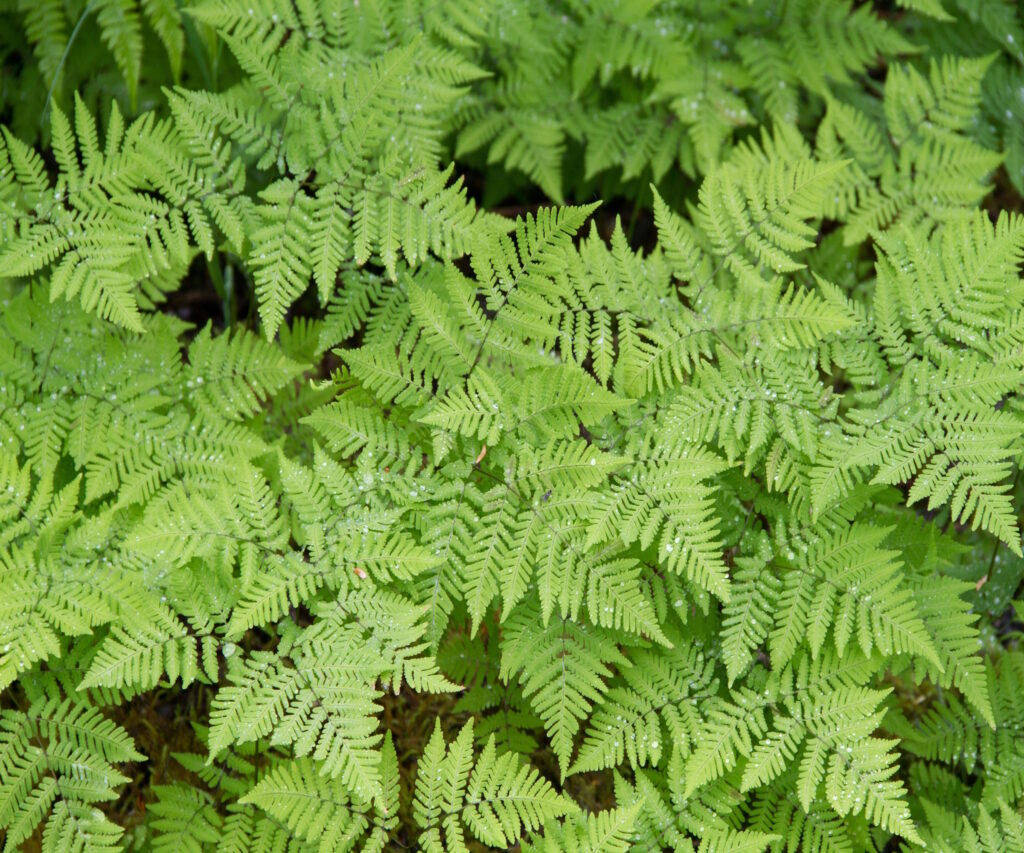
That long evolutionary history helps explain why so many ferns are well suited to low-light spaces. In the garden, they are especially useful where other plants may sulk or fail altogether.
Still, it is worth noting that most ferns do not actually want heavy, lifeless darkness all day. Many grow best in bright shade, dappled light, or a position with gentle morning sun followed by protection from the stronger afternoon heat. If you have ever noticed ferns thriving along woodland edges or beside shaded paths, that is usually why.
Types of Ferns for Shade Gardens: What to Look For
When choosing types of ferns for shade, it helps to think about more than just appearance. Some ferns stay neat and compact, while others spread into generous colonies. Some love consistently damp soil, while others can handle brief dry spells once established.
A few things to consider before planting:
- how much actual light the area receives
- whether the soil stays moist or dries out quickly
- your winter temperatures
- the mature size of each fern
- whether you want a bold focal point or a soft ground-layer effect
A good fern planting usually combines different heights, textures, and shades of green, with perhaps a silver or burgundy-toned variety mixed in for contrast.
How to Grow Ferns in a Shade Garden
Before choosing your plants, it helps to get the site right. Ferns are generally easygoing, but they respond beautifully when the soil and moisture levels suit them.
Choose the Right Spot
The best location is usually one with gentle morning light and shade for the rest of the day. Under large shrubs or open-canopy trees is often ideal. Avoid exposed places with harsh afternoon sun unless you are growing a fern known to tolerate more light.
Improve the Soil
Ferns tend to prefer rich, loose, well-draining soil that stays evenly moist. Dig the soil to a depth of around 12 inches and mix in generous amounts of organic matter such as compost or leaf mold. If your soil is heavy, adding bark fines or similar materials can help improve drainage and texture.
Many ferns also appreciate slightly acidic soil, so woodland-style amendments such as pine needles can be helpful where appropriate.
Water Consistently
Most shade ferns prefer moisture and humidity. The soil should stay evenly damp, but not soggy. A fern bed that dries out completely for long periods will rarely look its best.
That said, more water is not always better. Waterlogged soil can cause problems just as easily as drought. The goal is steady moisture, especially during the growing season.
Feed Lightly
Ferns are not heavy feeders. In fact, they can be sensitive to overfeeding and strong chemical fertilizers. A light mulch of compost or leaf mold often does most of the work. In spring, you can apply a slow-release organic fertilizer, and during summer a diluted foliar feed can give them a gentle boost.
Keep Them Tidy
Maintenance is simple. Remove damaged or tired fronds when needed, and protect tender varieties if severe frost is expected. In colder climates, leaving old fronds in place until spring can also give the crown a bit of extra protection.
Best Types of Ferns for Shade
Below are some of the most attractive and useful fern varieties for shady gardens. Some are grown mainly for texture, while others offer unusual color or a more architectural shape.
1. Mother Fern
Asplenium bulbiferum
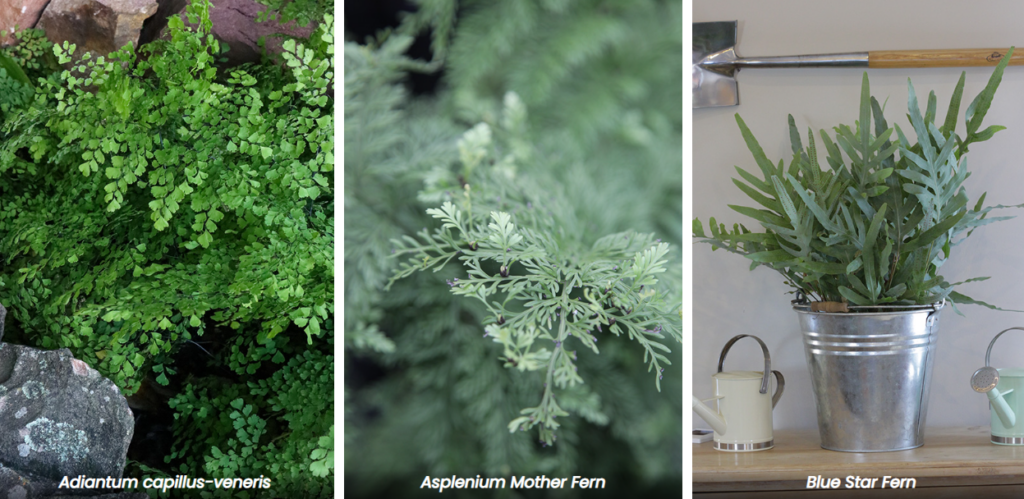
Also called hen-and-chicken fern, mother fern has soft, finely cut fronds that can resemble carrot foliage. One of its most charming traits is the little plantlets, or bulbils, that sometimes form along the frond edges. When they drop, they can root and form new plants.
This fern has a lush, relaxed look and works beautifully in a woodland-style planting. It can also tolerate short dry periods better than some fussier ferns.
2. Japanese Painted Fern
Athyrium niponicum
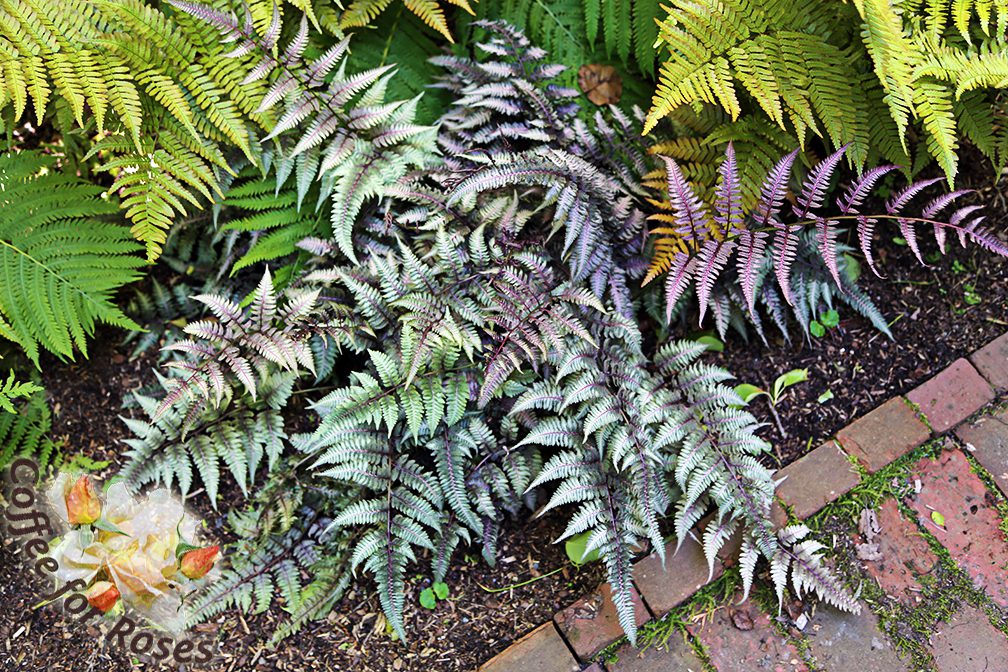
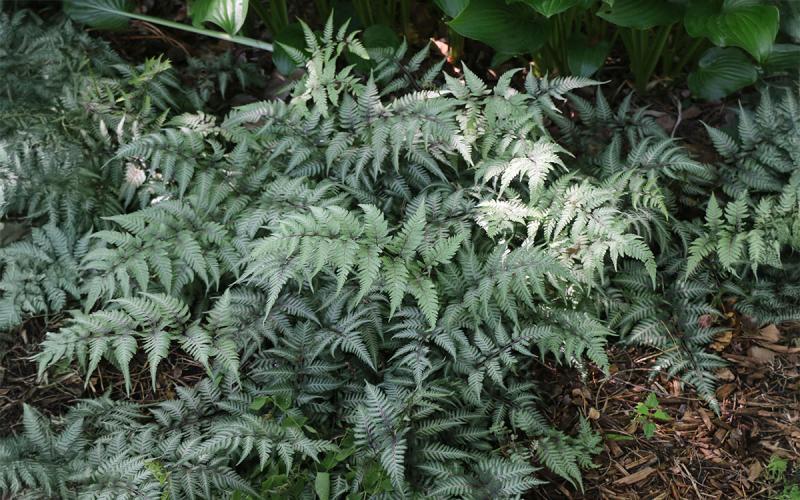
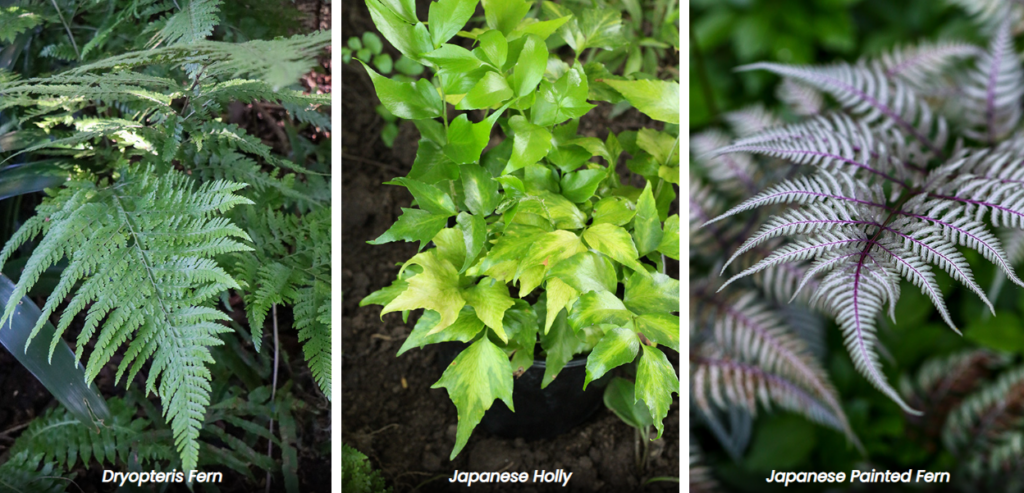
If you want a shade plant that feels a little special, Japanese painted fern is one of the loveliest choices. Its finely divided fronds are washed in silvery gray-green tones, often with burgundy and soft green highlights.
It is especially effective along woodland borders, next to hostas, or anywhere you want to brighten a shady bed without flowers. This is one of the best types of ferns for shade if you want color variation rather than plain green.
3. Shaggy Shield Fern
Dryopteris cycadina
This fern has a more structured appearance, with stiff, leathery fronds and a neat vase-shaped habit. It feels slightly more architectural than some softer ferns, which makes it useful for balancing more feathery plants nearby.
In colder climates it may be semi-evergreen, while in milder winters it often stays green.
4. Blue Star Fern
Phlebodium aureum
Blue star fern is loved for its unusual blue-green foliage and broad, finger-like fronds. In nature, it often grows as an epiphyte on trees, using creeping rhizomes to cling to bark, but it can also adapt to garden soil.
Its cool-toned foliage stands out nicely among deeper greens. However, gardeners should always check local regulations before planting it, as it is considered invasive in some regions.
5. Leather Leaf Fern
Rumohra adiantiformis
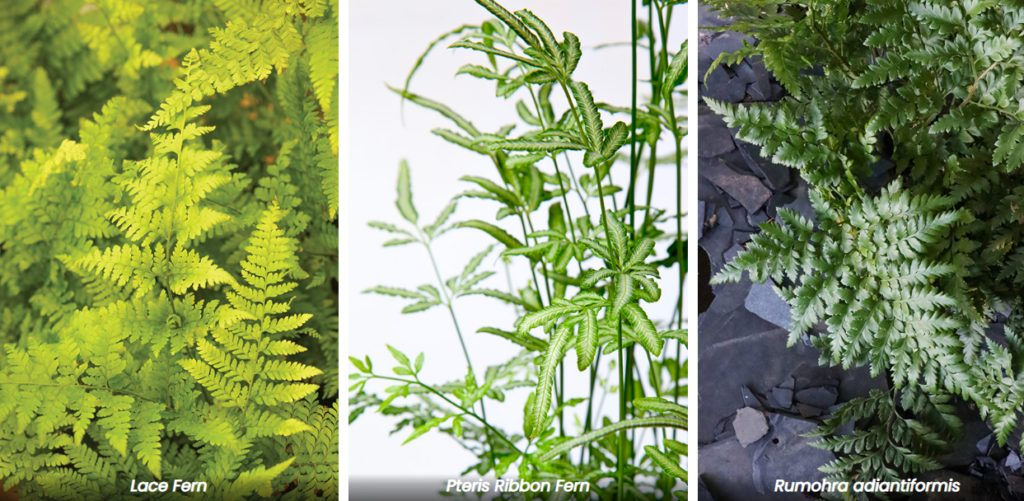
Leather leaf fern is grown widely for floristry, and it is easy to see why. The fronds are glossy, dark green, and long-lasting, giving the plant a polished, dependable appearance.
This is a practical fern for gardeners who want something tough, fast-growing, and attractive over a long season. It also handles light frost better than many other ferns.
6. Japanese Holly Fern
Cyrtomium falcatum
For deep shade, Japanese holly fern is one of the strongest options. Its fronds are glossy, bold, and made up of sharply pointed leaflets that give it a more substantial texture than many classic woodland ferns.
Because it is tougher than it looks, it is often a very useful choice for those awkward low-light spots where other plants barely hold on.
7. Lace Fern
Microlepia strigosa
Lace fern has arching fronds that emerge in soft, downy light green before deepening with age. It adds movement and a gentle, airy feel to the garden, but it is not as fragile as it appears.
Once established, it can be relatively water-wise compared with thirstier ferns, and it is also a good candidate for coastal gardens.
8. Southern Maidenhair Fern
Adiantum capillus-veneris
This is one of the prettiest ferns you can grow. Southern maidenhair fern has delicate, fan-like leaflets held on thin black stems, creating a very light and graceful effect.
It does need steady moisture, though. If the soil dries out too much, it may collapse, but the good news is that it often rebounds quickly when conditions improve.
9. Ribbon Fern
Pteris cretica var. albolineata
Ribbon fern brings a different look to a fern planting. Its evergreen fronds are narrow, elegant, and marked with a creamy central stripe that brightens shady spaces.
If your garden is mostly deep green, this is a simple way to add contrast without making the planting feel loud or overdesigned.
10. Ostrich Fern
Matteuccia struthiopteris
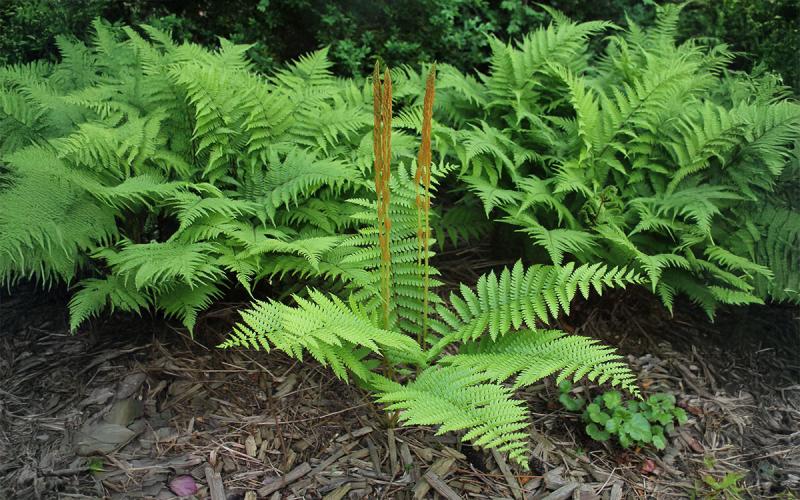
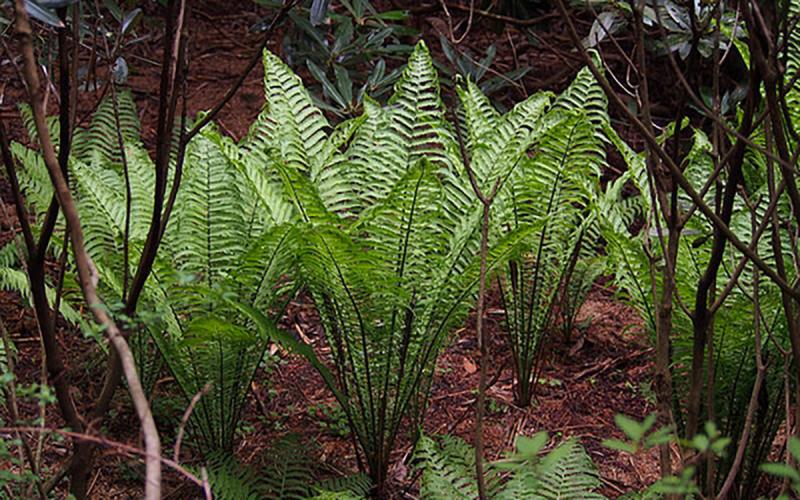
Ostrich fern is one of the classic choices for a shade garden, especially if you have room for it to spread. It forms tall, graceful clumps with feather-like fronds that can create a wonderfully natural woodland effect.
This fern prefers moist soil and does best with some gentle sun, especially in the morning. In the right conditions, it can form a handsome colony.
11. Lady Fern
Athyrium filix-femina
Lady fern is a longtime favorite for part shade to shade. It has soft, finely cut fronds and a gentle, mounded shape that looks at home in almost any informal planting.
It is generally more restrained than ostrich fern and makes a lovely choice for mixed beds, especially when planted in small groups. Cultivars such as ‘Lady in Red’ add extra interest with reddish stems.
12. Autumn Fern
Dryopteris erythrosora
Autumn fern earns its name from the coppery or golden tones of its emerging fronds. As the season progresses, the foliage matures to green, giving the plant a subtle color change that keeps things interesting.
It works especially well in shady borders where you want a little warmth and contrast among cooler green foliage.
Design Ideas for a Fern Shade Garden
A fern garden does not need to be complicated to be beautiful. Even a small shady area can feel thoughtful and layered when you combine a few varieties well.
Here are a few simple ways to make the planting more visually interesting:
Mix Heights and Textures
Pair taller ferns such as ostrich fern or lady fern with lower growers like Japanese painted fern. The contrast in scale makes the bed feel fuller and more natural.
Use Color Subtly
Not all ferns are simply green. Silver, burgundy, blue-green, and creamy variegation can all appear in the right varieties. These softer colors are especially effective in shade, where bold flower color may feel out of place.
Work With Natural Features
Ferns look especially good around stones, beneath trees, near water features, or along winding paths. They also combine beautifully with hostas, tiarella, and other shade-loving perennials.
Repeat Key Plants
Instead of planting one of everything, repeat two or three favorite ferns through the space. This gives the garden a calmer, more cohesive look.
Final Thoughts on Choosing Types of Ferns for Shade
A good shade garden does not have to rely on blooms to feel lush or interesting. Ferns bring texture, depth, movement, and an understated elegance that many flowering plants simply cannot match in low-light spaces.
The best types of ferns for shade will depend on your climate, soil, and the exact kind of shade you have, but the overall formula is simple: choose varieties suited to your conditions, improve the soil, keep the moisture steady, and let the foliage do the work.
Once they settle in, ferns can transform difficult corners into some of the most beautiful and restful parts of the garden.
FAQ
What are the best types of ferns for shade?
Some of the best types of ferns for shade include Japanese painted fern, lady fern, ostrich fern, Japanese holly fern, leather leaf fern, and autumn fern. The best choice depends on your climate, soil, and how much moisture the area receives.
Do ferns grow in full shade?
Some ferns tolerate very deep shade, but most grow best in bright shade, dappled light, or a spot with gentle morning sun. Dense, heavy shade all day is usually not ideal for the majority of fern species.
How often should I water ferns in shade?
Most ferns prefer consistently moist soil, so water whenever the top layer begins to dry. They do not like bone-dry soil, but they also should not sit in waterlogged ground.
Are ferns low maintenance?
Yes, most ferns are relatively low maintenance once established. They usually need occasional watering, light feeding, mulch, and the removal of old or damaged fronds.
Which fern is best for a small shade garden?
Japanese painted fern, ribbon fern, and southern maidenhair fern are all excellent choices for smaller spaces because they stay more compact while still adding texture and beauty.
Can I plant different ferns together?
Yes. In fact, mixing different ferns often creates a more attractive shade garden. Combining taller and shorter types, along with different frond shapes and colors, adds depth and visual interest.