Planting and Repotting Ferns
Ferns are easy to transplant and benefit from regular repotting into slightly larger containers.
They can either be planted singly or in groups to create a miniature garden in a single pot or shallow bowl.
Follow These Steps for Fern Repotting
Step 1: Place drainage material in the form of gravel or pebbles in the base of the container.
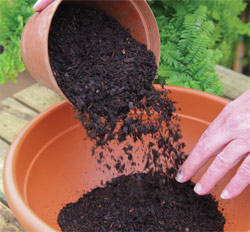
Step 2: Add potting soil or growing medium to the container. Ferns enjoy soil that is rich in humus, well aerated and well drained. The addition of peat moss helps to achieve this.
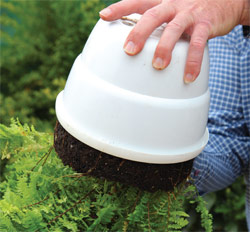
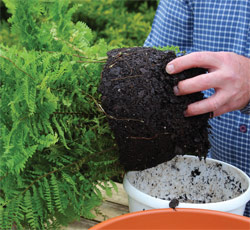
Step 3: Remove the fern from its existing container. Gently coax it out by turning the pot upside down and tapping it on the edge of a table.
Step 4: Loosen some of the matted, fibrous roots to encourage them to penetrate the new growing medium.
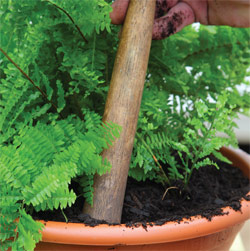
Step 5: Place the plant into the new container at the correct level, ensuring that the root ball is 10 to 15mm below the level of the rim of the pot. Fill in around the roots with growing medium. Use a small pot for this to prevent damaging or bruising the fronds. Use a stout stick to firm down the soil. This compacting of the soil removes air pockets and prevents subsidence when the potted fern is watered.
Step 6: After planting has been completed, water the plants thoroughly to settle them into place.
I would like you to replace the words and sentences with more beautiful, elegant, advanced English words and sentences, keep the meaning the same, but make it more literary and improve the article’s ability to be expressed in the style of Nature magazine.Please only provide a corrected version of the text, and avoid including explanations. Please start by editing the following text:
Repotting my Boston Fern
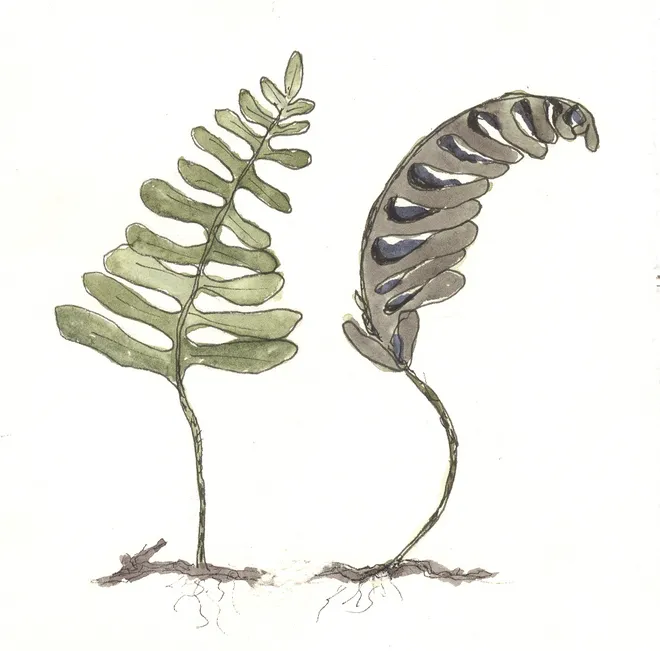
The origins of ferns can be traced back to about 360 million years ago, making them older than the dinosaurs. In fact, ferns thrived on earth more than twice as long as the first flowering plants. These ancient plants have a very primitive method of reproduction. They reproduce not by seed but by microscopic spores, which are formed on the lower side of the leafy branch of the fern, called a frond. When these spores are released, given the right moisture and soil conditions, they’ll eventually grow into a mature fern. But ferns can also sprout from the spreading rhizomes, or roots, of existing plants, a much faster method of reproduction.
Although most of the several thousand fern species are found only in the wet tropics, many varieties of fern are well suited to the temperate zones. Most of these types thrive in moist, woodsy soil, and are happiest growing in dappled light, a combination of shade and sun. This makes them perfect for woodland gardens, or massed as a ground cover in a corner of your yard, or even planted in containers. Just be sure to keep them lightly mulched and moist, and your ferns should grow beautifully for many years to come.
Things in the greenhouse have gotten busy now that all the potted plants have been moved indoors for the winter. Here is a Boston fern that has been living in this lovely faux bois pot for quite some time. It graced my patio all summer. Jodi felt it was time to divide and repot and from the look of these photos, her decision was a good and necessary one, as the fern’s roots were extremely pot bound.
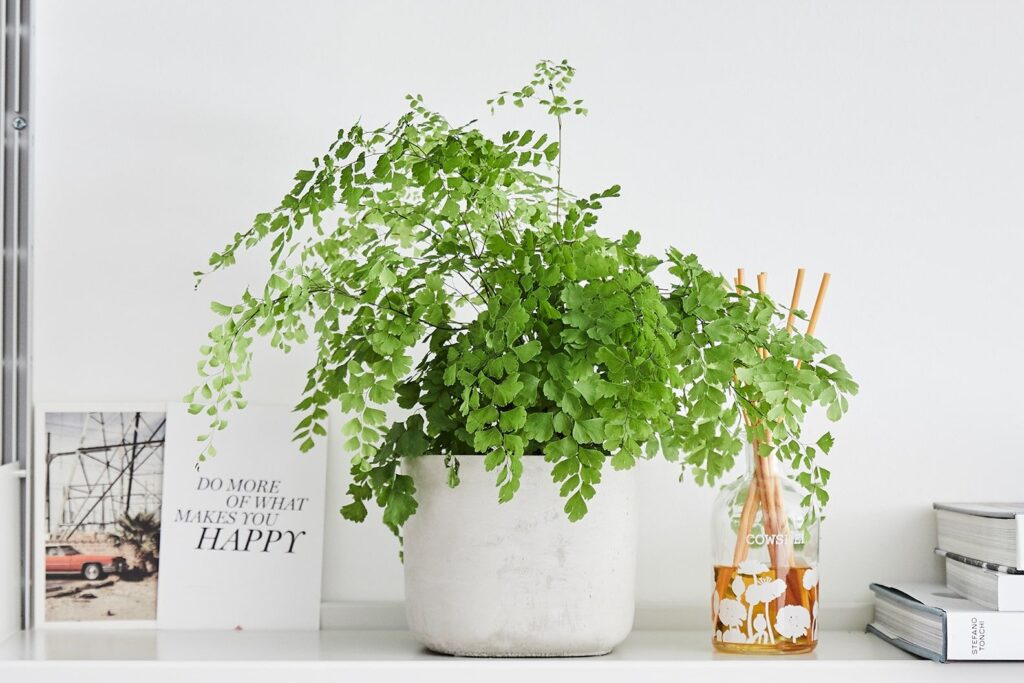
There are many “footed” ferns that produce fuzzy rhizomes that grow outside the pot. These are generally grown as indoor plants. Rabbit’s foot fern doesn’t mind being pot bound, but you should give it fresh soil every couple of years. Repotting can be a challenge with all the little feet hanging around the original pot so read here for a step-by-step tutorial on how to repot a rabbit’s foot fern. Davallia fejeensis is the botanical name of the rabbit’s foot fern (Humata tyermanii or white paw fern, is a similar plant). These charming plants produce soft, silvery growth off the base of the plant that stream down the outside of the pot. The growths are actually above-ground rhizomes and can be used to start entirely new ferns. In mature plants, these rhizomes will literally coat the outside of a container and cascade down over a hanging pot. Don’t worry if you break one off during rabbit’s foot fern repotting, as you can simply root it for another of these wonderful plants.
When to Repot Rabbit’s Foot Ferns
Timing is everything, and this is the case for when to repot rabbit’s foot ferns. As with most plants, the best time to disturb it in any way is when the plant is dormant. This goes for repotting, trimming, or training. It is a little harder to tell when indoor plants are dormant but, basically, it is when no new growth is being produced. Usually, this is in winter when it is cooler and light levels are lower. However, this is a very forgiving plant and repotting a rabbit’s foot fern at any time of the year is fine as long as it is not exposed to any extreme stresses such as temperature fluctuations.
How to Repot a Rabbit’s Foot Fern
Choose a lightweight pot if you are creating a hanging planter. The size of the pot should be just slightly larger than the base of the plant. These ferns enjoy being crowded. Removing the fern from the existing pot is the trick. If it is a cheap nursery pot, you can cut the plant out to liberate it. Otherwise, use a hori hori or slender planting tool to gently pry around the inside of the pot and loosen the soil. The bottom of the pot may also have roots growing outside. Loosen these and, if necessary, cut off those that have wound around the drainage holes. Don’t worry, there are plenty of roots still to sustain the plant and it won’t damage the fern. Use a potting mix with little to no soil such as 2 parts peat, 1 part soil, and 1 part sand or perlite. You may decide to divide the fern if it has gotten too large. Cut it into up to four sections with a sharp, clean knife. Plant in the new soil with the rhizomes balanced around the edge of the pot. Water well.
Repotting your Boston fern is an essential part of its care routine, especially as the plant matures and its root system expands. To keep your fern healthy and vibrant, it’s important to know when and how to repot it. This comprehensive guide will walk you through the process, from recognizing the signs that your fern needs repotting to the actual steps involved in giving it a fresh start in a new pot.
When to Repot a Boston Fern
Boston ferns typically need to be repotted every 2-3 years. A clear sign that your fern is ready for a new pot is when its growth slows down, or you notice roots poking out from the drainage holes at the bottom of the current pot. Additionally, if water runs straight through the pot without being absorbed by the soil, it’s likely that the soil is too compacted and the roots are overcrowded.
Repotting should ideally be done during the plant’s active growing season, which is in the spring. This timing allows the fern to recover more quickly from the stress of being repotted and encourages new growth.
How to Repot a Boston Fern
Repotting a Boston fern is a critical step in ensuring the plant’s continued health and growth. Over time, as the fern matures, its root system expands, and the soil becomes compacted, reducing the plant’s ability to absorb water and nutrients effectively. Here’s a detailed guide on how to repot your Boston fern, ensuring it remains vibrant and healthy.
Step 1: Prepare Your Tools and New Pot
The first step in repotting a Boston fern is selecting the right pot and gathering all necessary tools. When choosing a new pot, it’s important not to go too large. A pot that is just 1-2 inches wider in diameter than the current one is ideal. This size allows for adequate growth without providing so much extra space that the soil retains excess moisture, which could lead to root rot. Additionally, ensure that the new pot has sufficient drainage holes. These holes are essential for allowing excess water to escape, preventing the roots from sitting in water and rotting.
Prepare your tools, which should include a trowel, pruning shears, fresh potting soil, and possibly a knife for scoring the roots. Having everything ready before you begin will make the process smoother and reduce the stress on the plant.
Step 2: Water the Fern Before Repotting
Watering your Boston fern a day or two before repotting serves several purposes. First, it helps to soften the soil, making it easier to remove the plant from its current pot. A well-hydrated root ball holds together better during the repotting process, reducing the risk of damaging the roots when you handle the plant.
Watering also prepares the fern for the transition by ensuring it is well-nourished and less likely to experience shock after being moved. This step is crucial, as dry roots can be more brittle and prone to breaking during the repotting process.
Step 3: Remove the Fern from Its Pot
To remove the Boston fern from its current pot, start by gently tapping the sides of the pot to loosen the soil and roots. If the plant is still resistant, you can carefully run a knife around the inside edge of the pot to further loosen the root ball.
When lifting the fern out of the pot, support the base of the plant to avoid damaging the fronds. If you notice that the roots are tangled or have started to circle around the pot, it’s a sign that the fern has become root-bound. In this case, scoring the root ball with a knife is necessary. Scoring involves making shallow cuts along the sides of the root ball, which encourages the roots to grow outward into the new soil instead of continuing to circle inside the pot.
Step 4: Inspect and Trim the Roots
Once the fern is out of the pot, it’s important to inspect the roots thoroughly. Look for any signs of damage, such as brown, mushy, or foul-smelling roots, which indicate root rot. Healthy roots should be white or light tan and firm to the touch.
Using clean, sharp pruning shears, trim away any damaged or diseased roots. This step not only removes potential sources of infection but also stimulates the plant to produce new, healthy roots. Additionally, this is a good time to prune the fern’s fronds. Remove any yellowing, brown, or dead fronds to redirect the plant’s energy towards new growth.
Step 5: Add Fresh Soil and Replant
Before placing the fern into its new pot, add a layer of fresh potting soil at the bottom. The ideal soil mix for a Boston fern should be well-draining yet capable of retaining moisture. A combination of peat moss, perlite, and vermiculite is recommended. Peat moss helps retain moisture, perlite improves drainage, and vermiculite aids in aeration.
Place the fern in the center of the new pot, ensuring that the root ball sits slightly below the rim. This positioning allows room for watering without spillage. Fill in around the root ball with additional soil, pressing it down gently to eliminate air pockets. Be careful not to pack the soil too tightly, as this can impede root growth and water drainage.
Step 7: Water and Care After Repotting
After repotting, it’s crucial to water the fern thoroughly to help settle the soil around the roots. Water until it begins to drain from the bottom of the pot, ensuring that the soil is evenly moist but not waterlogged.
Place the fern in a location where it can recover from the repotting process. Bright, indirect light is ideal, as direct sunlight can scorch the fronds, especially when the plant is stressed. For the first few days after repotting, keep the fern out of direct sunlight and ensure it has access to high humidity. Misting the fronds regularly or using a humidifier can help maintain the humidity levels Boston ferns thrive in.
During the recovery period, monitor the fern closely for any signs of stress, such as wilting or yellowing fronds. If the plant shows signs of distress, double-check that it’s not in direct sunlight and that the soil remains consistently moist but not soggy.
Post-Repotting Care
Repotting can be stressful for plants, so it’s important to provide extra care in the weeks following the process. Monitor the fern closely, ensuring that it receives adequate water and humidity. If you notice any signs of transplant shock, such as wilting or drooping fronds, make sure the plant is not exposed to drafts or extreme temperature changes. With proper care, your Boston fern should adjust to its new pot and continue to thrive.