If you’ve ever asked yourself, how often should I water a fern, the honest answer is: not by the calendar alone. Ferns are a little more intuitive than that. They like soil that stays evenly moist, but not soggy, and the right schedule depends on the season, the humidity in your home, and even the kind of pot you use.
That sounds slightly fussy, but once you know what to look for, fern watering becomes much easier. In most homes, indoor ferns need water about once or twice a week, while some may need more frequent watering in warm, bright, or dry conditions. Outdoor ferns in summer can need water far more often, especially if they are exposed to heat and moving air.
The real goal is simple: keep the soil lightly moist and never let the plant sit in water for long.
How Often Should I Water a Fern Indoors?
For most indoor ferns, a good starting point is watering once or twice a week. But that is only a baseline.
Some ferns, especially Boston ferns, tend to dry out faster in bright rooms or homes with air conditioning. In spring and summer, you may end up watering every 2 to 4 days. In autumn and winter, the schedule usually stretches out, often to every 5 to 7 days.
A practical indoor guide looks like this:
Spring and Summer
During active growth, ferns usually need more water. In warm rooms with bright indirect light, many need watering every 2 to 3 days. In slightly cooler or dimmer spaces, every 3 to 4 days is often enough.
Autumn
As light levels drop and growth slows, many ferns are happy with water every 4 to 5 days.
Winter
In winter, when growth is slower and evaporation drops, many indoor ferns only need watering every 5 to 7 days, and sometimes even less often in cool, low-light rooms.
These numbers are helpful, but the soil matters more than the schedule.
The Best Way to Tell If Your Fern Needs Water
If you want the most reliable answer to how often should I water a fern, check the soil instead of following a rigid routine.
Use the Finger Test
Press your finger about 1 to 2 cm into the potting mix. If the top layer feels dry but the layer underneath still feels cool and slightly moist, that is usually about right. If the surface and the layer below both feel dry, it is time to water.
Learn the Pot Weight
This is one of the best habits for fern care. Pick up the pot after watering, then pick it up again a few days later. Over time, you’ll notice the difference between a freshly watered pot and one that is drying out.
Watch the Fronds
Ferns often give gentle warning signs before real stress sets in. If the fronds look a little dull, softer than usual, or slightly limp, your plant may be asking for water. If the leaves start turning crisp at the edges, you have probably waited too long.
Why Humidity Changes Everything
Ferns naturally come from places where the air is moist and the soil rarely dries out completely. That is why humidity plays such a big role in how often you need to water them.
In a dry home, especially one with heating, cooling, or fans running regularly, the soil dries faster and the fronds lose moisture more quickly. In a more humid bathroom or kitchen, the same fern may stay happy with less frequent watering.
As a general rule:
- Dry homes below 45% humidity: water more often
- Average homes around 50–55% humidity: follow a moderate schedule
- Humid rooms around 60–70% humidity: water less often, but still check the soil regularly
If your fern keeps getting brown tips even though you water it fairly often, low humidity may be the real issue.
How Often Should I Water a Fern in Summer?
Summer is usually when people run into trouble, because ferns can dry out much faster than expected.

Indoors, many ferns need water every 2 to 3 days in summer, especially in bright rooms. Outdoors, watering may be needed daily or every other day, particularly during hot spells.
If your fern spends summer on a shaded porch or covered outdoor patio, check it every morning. Heat and airflow can dry the soil much faster than you think, even when the plant is out of direct sun.
Morning is the best time to water. It gives the roots time to absorb moisture before the hottest part of the day.
How Often Should I Water a Fern in Winter?
Winter is when overwatering becomes more common.
Because the plant is growing more slowly and using less moisture, the soil stays wet longer. Many ferns only need water every 5 to 7 days in winter, and in very cool, dim conditions, possibly every 7 to 10 days.
The important part is not to let the soil stay cold and soggy for too long. That creates the perfect conditions for yellowing fronds, weak roots, and eventually rot.
If winter light is poor, move the fern closer to a bright window with indirect light. That helps the plant use water more steadily and stay healthier overall.
How to Water a Fern Properly
Knowing how often should I water a fern helps, but technique matters too.
A quick splash on the surface is usually not enough. You want the water to reach the full root zone.
Top Watering
Water slowly around the entire surface of the pot until you see a little runoff from the drainage holes. A good rule is to water until about 10 to 20% drains out the bottom. Then empty the saucer after a few minutes so the roots are not left sitting in water.
Bottom Watering
Bottom watering can be very useful if the soil has become dry and is no longer absorbing water properly from the top. Set the pot in a shallow tray of water for about 10 to 15 minutes, then remove it and let it drain.
This is especially helpful for Boston ferns and other thirsty indoor ferns that sometimes dry out too quickly.
Monthly Flush
If you fertilize regularly or have hard tap water, it helps to thoroughly flush the soil once a month. This rinses away excess salts that can contribute to brown, crispy tips.
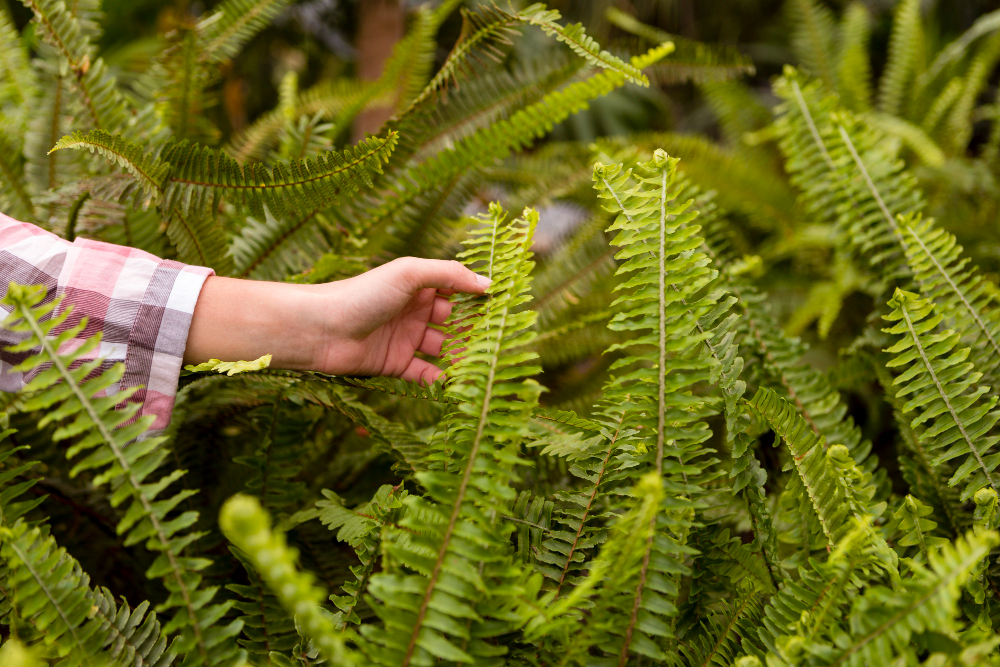
Signs Your Fern Is Underwatered
Underwatered ferns usually look dry rather than weakly yellow.
Here are the most common signs:
- Dry soil that pulls away from the edge of the pot
- Fronds drooping or looking limp
- Brown, crispy edges or tips
- Brittle leaves
- Slower growth
- Leaf drop in more severe cases
If this happens, give the fern a thorough watering and make the next few checks more frequent. Consistency is what helps it recover.
Signs Your Fern Is Overwatered
Overwatering can be harder to catch at first, because the soil may look fine on the surface while staying too wet below.
Watch for these signs:
- Yellowing fronds, especially from the base
- Mushy or soft stems
- Soil staying wet for many days
- Sour smell from the potting mix
- Wilting even though the soil is wet
- Root rot in more advanced cases
If your fern is overwatered, let the top layer dry more before watering again. Also check whether the pot has proper drainage and whether the soil has become too dense.
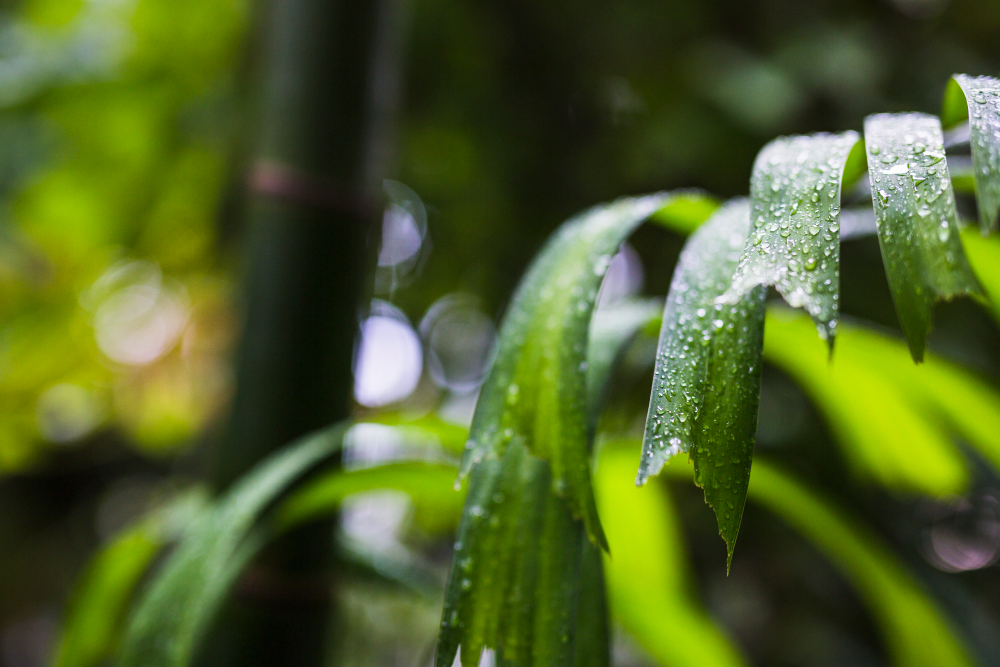
The Pot and Soil Affect How Often You Water a Fern
Two ferns in the same room can need completely different watering schedules if they are planted in different containers.
Pots That Dry Faster
- Hanging baskets
- Terracotta pots
- Small pots
- Thin nursery pots in bright rooms
Pots That Hold Moisture Longer
- Plastic pots
- Ceramic pots
- Larger containers
- Dense soil mixes that drain slowly
A loose, airy mix usually works best for ferns. A good fern potting mix should hold moisture without becoming compacted. Many gardeners do well with a blend that includes potting mix or coco coir, perlite or pumice for drainage, and some fine bark for structure.
If your fern stays wet too long, increase drainage. If it dries out far too fast, use a slightly more moisture-retentive mix.
What Kind of Water Is Best for Ferns?
Most ferns do fine with room-temperature tap water, but water quality can sometimes affect the leaf tips.
If you keep seeing brown edges despite a good watering routine, your tap water may be high in salts or fluoride. In that case, try filtered or distilled water for a few weeks and see whether the plant improves.
Cold water is best avoided, since it can shock the roots.
A Simple Weekly Fern Watering Routine
If you like having a routine, here is a practical one to start with.
In a Warm, Dry Home
Check the fern every other day. Water when the top 1 to 2 cm feels dry. Expect to water around 2 to 3 times per week.
In an Average Home
Check twice a week. Many ferns in medium-bright light need water about once or twice weekly.
In a Humid Room
Check every 3 to 4 days. Water only when the surface begins to dry.
The keyword here is check, not blindly water. A fern does best when you respond to its conditions instead of forcing it into a fixed routine.
Final Thoughts
So, how often should I water a fern? In most homes, the answer is somewhere between once or twice a week, with more frequent watering in summer and less in winter. But the best fern owners do not rely on a strict schedule alone. They check the soil, pay attention to humidity, and water thoroughly when the plant actually needs it.
Once you get used to your fern’s rhythm, it becomes much easier. And when the watering is right, the reward is worth it: fuller growth, softer green fronds, and a plant that looks genuinely alive rather than barely hanging on.
FAQ
How often should I water a fern indoors?
Most indoor ferns need watering about once or twice a week, but some need more in warm or dry conditions. Always check the top layer of soil before watering.
Should I water a fern every day?
Usually no, at least not indoors. Outdoor ferns in hot summer weather may need daily watering, but indoor ferns are more commonly watered every few days.
Do ferns like to dry out between waterings?
Not fully. Ferns prefer evenly moist soil. Let only the top layer begin to dry before watering again.
Is bottom watering good for ferns?
Yes, especially if the soil has become dry and is not absorbing water well from the top. Bottom watering can help rehydrate the root ball more evenly.
Why are my fern’s tips turning brown?
Brown tips are often caused by low humidity, inconsistent watering, salt build-up, or poor water quality. It is not always just a watering issue.
What is the best time of day to water a fern?
Morning is usually best. It gives the plant time to absorb moisture before temperatures rise later in the day.
Can a fern recover from underwatering?
Often yes, if the roots are still healthy. Give it a thorough watering, raise the humidity if needed, and return to a more consistent care routine.