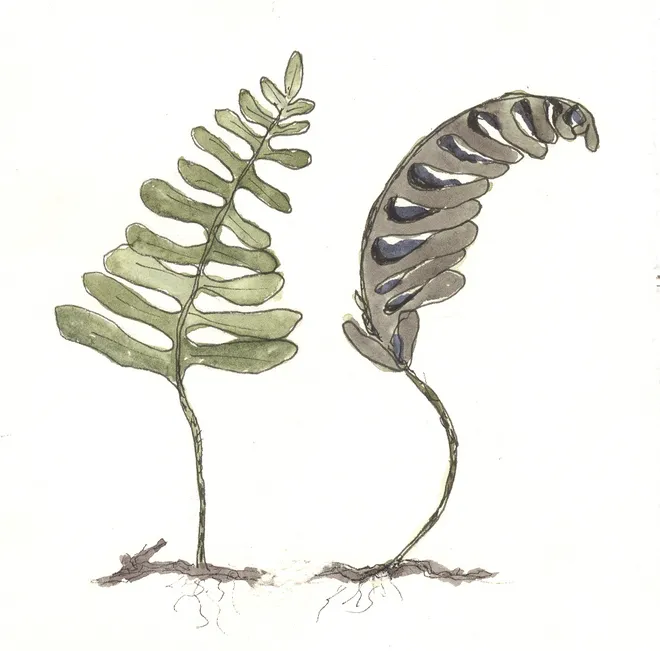
Fern Care: Cultivating Lush, Verdant Vitality:The cultivation of ferns can prove unexpectedly exacting. Have you ever watched, with quiet dismay, as a once luxuriant, feathery green fern slowly faded to yellow? I have—and it is a melancholy transformation to witness. Yet, a kindly neighbor once entrusted me with the secret behind the magnificent, cascading ferns adorning her porch. Here, I share that insight with you; be sure to view the accompanying video, where each step is demonstrated with clarity.
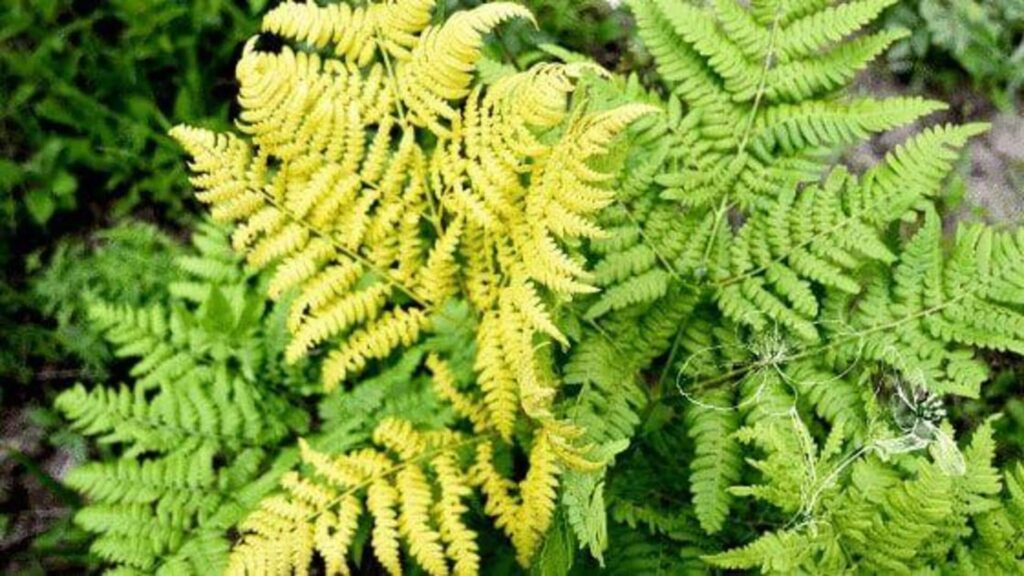
What Causes Ferns to Yellow?
Why, then, do ferns relinquish their verdant hue? These delicate organisms demand a finely balanced interplay of water, light, and nutrients. When this equilibrium is disturbed, their foliage may yellow. Several factors may underlie this decline.
Watering Ferns: The Perils of Excess and Deficiency
Ferns are particularly sensitive to inconsistencies in watering. Both excess and insufficiency can induce yellowing. Their soil should remain consistently moist, yet never saturated. Overabundant moisture can be as deleterious as drought, often leading to root rot. Thus, a fundamental principle of fern care is ensuring that pots are equipped with adequate drainage, preventing roots from languishing in standing water.
Ambient humidity is equally vital. Indoor ferns frequently benefit from humidifiers, while both indoor and outdoor tropical varieties may require daily misting. Clustering plants together can also create a localized microclimate that helps retain moisture.
How Often Should Hanging Ferns Be Watered?
When healthy, ferns in hanging baskets lend elegance to any interior or veranda. If yellowing occurs, it often signals improper watering—most commonly excess. The optimal watering regime varies with ambient humidity, but generally, irrigation should occur when the soil surface begins to feel dry. Periodic misting of the fronds is highly beneficial, as ferns flourish in humid conditions.
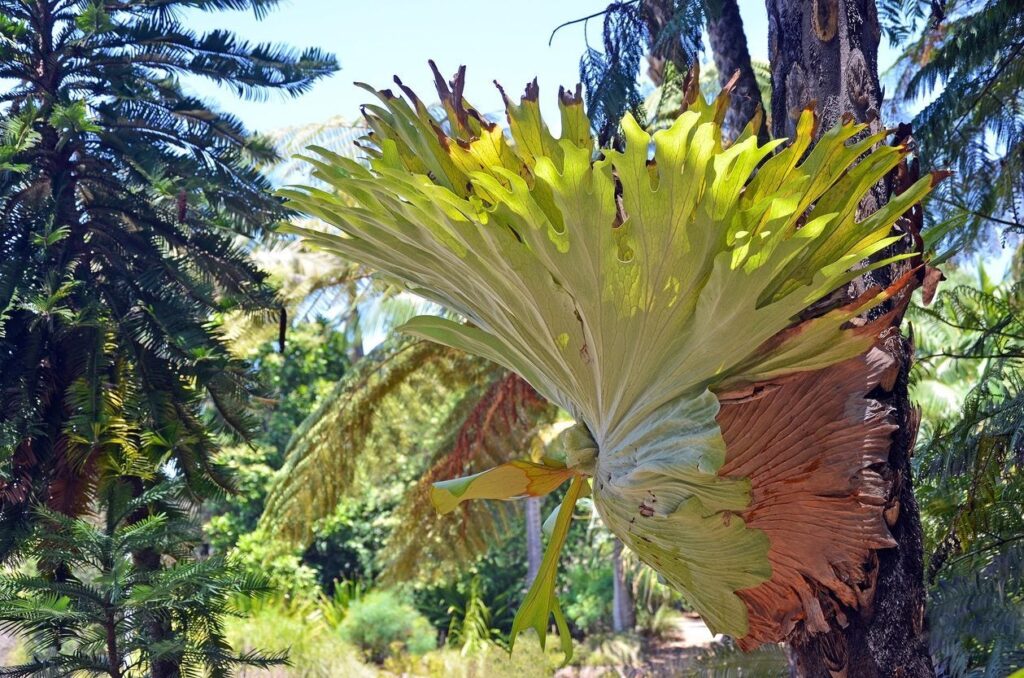
Light: A Delicate Balance
Light conditions constitute another critical determinant of fern health. While ferns are shade-adapted, they nonetheless require intermittent exposure to indirect light throughout the day. Indoor specimens may be gradually acclimated to brighter conditions by incrementally increasing their exposure to outdoor light, rather than introducing them abruptly.
Nutrient Availability
Like all plants, ferns depend on periodic nutrient replenishment. A balanced liquid houseplant fertilizer or a slow-release formulation can sustain adequate levels of nitrogen and essential minerals. Yellowing foliage may indicate nutrient deficiency, suggesting that the plant’s requirements are not being met.
Why Is My Asparagus Fern Turning Yellow?
The asparagus fern, a relative of edible asparagus and lilies, is both resilient and widely cultivated. Nevertheless, it can exhibit a degree of environmental sensitivity. Should its foliage yellow, there is no cause for despair—this is a hardy species, and attentive care can readily restore its vigor. Several factors may contribute to this discoloration.
Overwatering
Excess watering remains the most prevalent cause of yellowing in asparagus ferns. Although these plants exhibit a relatively high water demand, it is easy to overcompensate without careful monitoring. Irrigation should occur only when approximately half of the soil volume has dried. Persistently waterlogged soil can culminate in root rot, characterized by darkened, softened roots.
If overwatering is suspected, it is advisable to remove the plant and inspect the root system. Healthy roots appear pale and firm, whereas compromised roots are dark and gelatinous. Any affected portions should be excised with clean, sharp shears before repotting. Ensuring proper drainage and allowing excess water to escape after each watering is essential.
Low Humidity
Asparagus ferns thrive in humid environments. Insufficient atmospheric moisture can precipitate yellowing. Regular misting, alongside the use of pebble trays or humidifiers, can help maintain optimal conditions and preserve the plant’s vitality.
Lighting Imbalances
Yellowing leaves may also result from inappropriate light exposure—either excessive or insufficient. These ferns perform best in bright, indirect light. Direct sunlight or deep shade should be avoided. An east-facing window often provides an ideal balance.
Nutrient Depletion
If other factors have been excluded, nutrient exhaustion within the soil may be responsible. During the active growing seasons of spring and summer, a monthly application of a diluted, balanced fertilizer—at half strength—can effectively restore nutrient levels and support healthy growth.
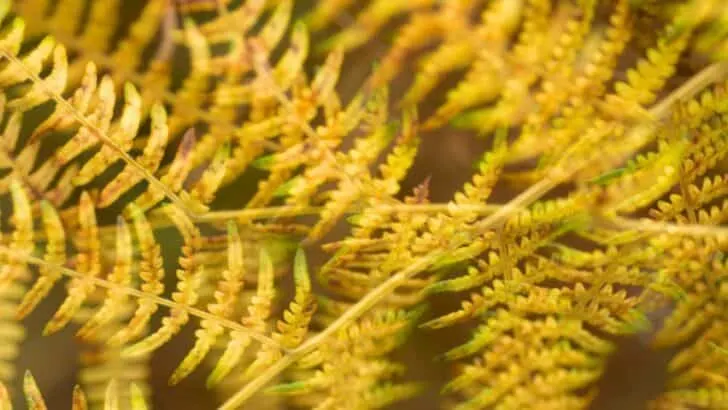
Diagnosing Yellowing in Ferns
🌼 Characterizing Patterns of Chlorosis
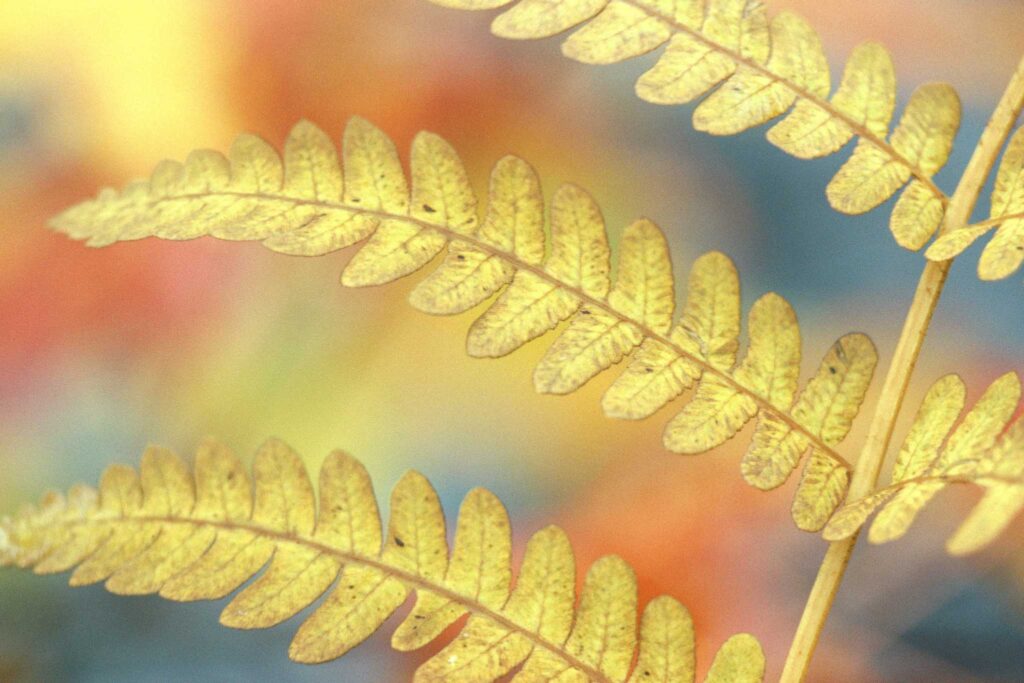
A precise understanding of foliar yellowing is essential for accurate diagnosis. Broadly, two principal patterns may be distinguished: uniform discoloration across the entire frond, and localized yellowing confined to the tips.
Uniform Frond Yellowing
Diffuse yellowing across the entire leaf blade frequently signals excessive irrigation or a deficit in essential nutrients. Should your fern exhibit widespread discoloration, it is prudent to reassess watering practices or consider replenishing depleted nutrients.
Apical (Tip) Yellowing
In contrast, yellowing restricted to the frond tips typically reflects insufficient watering or reduced ambient humidity. In such cases, the plant may be responding to desiccating conditions within its immediate environment.
💧 Evaluating Soil Moisture Regimes
Determining whether a fern receives appropriate hydration necessitates careful assessment of soil moisture. This may be achieved through a simple tactile test or the use of a moisture meter.
Recommended Approach: Insert a finger approximately 2–3 cm into the substrate; if the soil feels dry, irrigation is warranted.
Optimal Condition: The growing medium should remain consistently moist, yet never waterlogged—an equilibrium fundamental to fern vitality.
🐛 Inspecting for Pests and Pathogens
Biotic stressors, including pests and disease, may also precipitate foliar yellowing. A meticulous visual examination is therefore indispensable.
Inspection Protocol: Examine both the upper and lower leaf surfaces for signs of infestation.
Indicators of Disease: The presence of lesions, fungal growth, or aberrant structures may signify underlying pathology.
☀️ Assessing Light Environment
Light availability exerts a profound influence on fern physiology. Evaluating ambient light conditions can reveal whether the plant occupies a suitable niche.
Assessment: Observe frond orientation or employ a light meter; healthy growth often inclines toward available light.
Adjustment: Given the species-specific nature of light requirements, repositioning may be necessary to achieve optimal conditions.
Through careful diagnosis of foliar yellowing, appropriate corrective measures can be undertaken to restore plant health. We now turn to strategies aimed at preventing such symptoms.
Preventing Yellowing in Ferns
💧 Refined Irrigation Practices
Optimal watering entails thorough saturation of the substrate followed by complete drainage. Frequency should be modulated in accordance with seasonal variation and environmental conditions, as ferns are acutely sensitive to both excess and deficiency.
🗓️ Nutrient Management and Fertilization Regimes
Regular fertilization—approximately every four to six weeks during active growth—is essential to sustain the fern’s characteristic verdure. Diluted liquid formulations are recommended to prevent nutrient overload.
🌈 Species-Specific Light Requirements
Fern species exhibit diverse photic preferences. For example, the Boston fern flourishes in bright, indirect illumination, whereas the maidenhair fern prospers under more subdued light conditions.
💨 Maintaining Atmospheric Humidity
Elevated humidity is indispensable for fern health. This may be achieved through pebble trays, humidifiers, or regular misting. Monitoring with a hygrometer ensures that environmental conditions remain within an optimal range.
By implementing these preventative measures, one may sustain luxuriant, green foliage and avert the onset of chlorosis. Should yellowing arise, targeted interventions can restore balance.
Remediating Yellowing in Ferns
🌊 Optimizing Watering Practices: A Sequential Approach
Evaluate Existing Regimen: Begin by reassessing irrigation frequency in relation to environmental variables.
Monitor Soil Moisture: Verify substrate dryness prior to watering to prevent overhydration.
Ensure Adequate Drainage: Confirm that containers permit free water egress, thereby mitigating the risk of root rot.
🥦 Amending Nutrient Deficiencies
Soil Analysis: Employ a testing kit to ascertain nutrient composition.
Targeted Fertilization: Select amendments tailored to identified deficiencies.
Application: Gently incorporate fertilizers into the upper soil layer to facilitate root uptake.
🐛 Pest Management Strategies
Identification: Routinely inspect for common pests such as spider mites or aphids, noting signs like webbing or residue.
Treatment: Apply insecticidal soap or neem oil—effective yet minimally phytotoxic options.
Ongoing Surveillance: Continued monitoring is essential to prevent reinfestation.
🌱 Environmental Modulation
Light: Relocate specimens to environments offering appropriate illumination.
Temperature: Maintain stable thermal conditions, avoiding drafts and heat sources that induce stress.
Humidity: Enhance atmospheric moisture via misting, humidifiers, or pebble trays—conditions under which ferns characteristically thrive.
Through these interventions, yellowing foliage can be effectively mitigated, restoring both form and function.
Representative Fern Species and Their Ecological Preferences
Boston Fern 🌿
Thrives under bright, indirect light and requires high humidity, ideally exceeding 60%.
Maidenhair Fern 🌱
Prefers low to moderate illumination and demands consistently elevated humidity, often above 70%.
Asparagus Fern 🍃
Favors bright, indirect light and performs well under moderate humidity, typically ranging from 40% to 60%.
Bird’s Nest Fern 🐦
Adaptable to low to moderate light conditions, with a preference for humidity levels between 50% and 70%.
A nuanced appreciation of species-specific requirements is essential for sustaining fern health and vigor. By aligning environmental conditions with these ecological preferences, one may prevent chlorosis and cultivate enduring, verdant growth.
Seven Causes of Chlorosis in Ferns
Ferns constitute an elegant and enduring addition to both interior and exterior plantings. Yet, despite their ornamental appeal, they frequently exhibit physiological sensitivities that manifest as yellowing—occasionally progressing to browning—of their fronds.
In moderation, such discoloration is a natural and largely inconsequential phenomenon.
However, when a substantial proportion of fronds begins to yellow, a more careful examination of underlying causes becomes imperative.
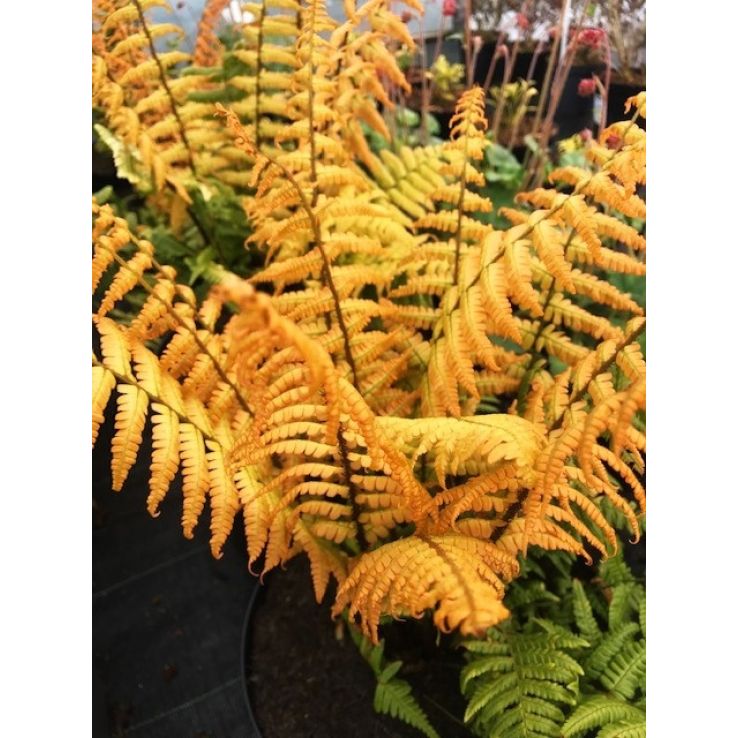
Yellowing in Ferns
Chlorosis in ferns most commonly arises from imbalances in water availability, suboptimal light conditions, thermal fluctuations, pest incursions, improper fertilization, root dysfunction, or the physiological stress associated with transplantation.
1. Hydric Imbalance: Over- or Underwatering
Ferns require consistently moist, though never saturated, substrates. Both excessive and insufficient watering can induce a gradual paling of the fronds, followed by yellowing and eventual wilting. A prudent approach is to irrigate only when the upper layer of soil has dried, applying water from above while ensuring efficient drainage. Containers must permit excess moisture to escape, as waterlogged roots are prone to decay, leading to chlorosis and decline.
2. Inappropriate Light Exposure
Ferns are inherently adapted to shaded environments. Exposure to excessive light may bleach fronds to a pale green before they yellow, while direct sunlight can inflict photodamage, rendering the foliage scorched and desiccated. Conversely, insufficient illumination leads to weakened growth, discoloration, and eventual collapse. Optimal conditions involve intermittent exposure to diffuse, indirect light. When acclimating greenhouse-grown specimens, gradual adjustment is essential; abrupt transitions, even into shade, may provoke stress-induced yellowing. A progressive “hardening” process—incrementally increasing outdoor exposure—facilitates adaptation.
3. Thermal and Humidity Constraints
Temperature extremes exert significant stress on fern physiology. Outdoor specimens may naturally yellow and brown during seasonal dormancy, yet indoor plants do not adhere to this cycle. Cool ambient conditions can cause browning at the frond tips, while elevated temperatures increase transpiration demands, necessitating more frequent watering. Equally critical is atmospheric humidity: levels below approximately 50% are often insufficient, whereas conditions approaching 80% promote optimal vigor. Inadequate humidity frequently manifests as yellowing and wilting.
4. Pest Infestation
Ferns are susceptible to a range of herbivorous pests, including scale insects, mealybugs, and mites. Infestations often result in a pale, yellow-green discoloration of the fronds. Close inspection is required, particularly of the undersides. Spider mites, in particular, produce fine webbing and may impart a stippled, mottled appearance even when webs are not immediately visible. Given the sensitivity of ferns to chemical treatments, gentler remedies—such as alcohol-dampened swabs or neem oil—are preferable.
5. Nutrient Imbalance
Chlorosis may also reflect deficiencies or excesses in nutrient availability, particularly nitrogen. Balanced fertilizers, such as formulations approximating 20-20-20 or 20-10-20, are generally suitable, as ferns are relatively modest feeders. Uniform yellowing may indicate deficiency, whereas scorched or browned tips often signal overfertilization. Amendments such as organic compost, pine bark, or perlite can help maintain a stable and appropriate soil pH.
6. Root System Disorders
Root health is fundamental to overall plant vitality. Confinement within an overly restricted container may lead to root binding, impairing nutrient and water uptake and resulting in yellowing fronds. Alternatively, persistently wet conditions may induce root rot, characterized by dark, softened roots. In such cases, affected tissue should be excised, watering reduced, and the plant repotted into a well-draining medium. Where roots are densely coiled, repotting into a slightly larger container—approximately 5 cm wider—is recommended.
7. Transplantation Stress
Ferns are notably sensitive to disturbance and frequently exhibit tip browning following transplantation. While this response is difficult to eliminate entirely, its severity may be mitigated by transplanting during the spring, when growth conditions are most favorable. Careful handling of the root system is essential: loosening the surrounding soil prior to removal, preserving as much of the root mass as possible, and minimizing mechanical damage. The receiving cavity should exceed the root system in width while matching its depth, facilitating rapid establishment and reducing stress-induced discoloration.
Conclusion
Though often regarded as exacting in their cultural requirements, ferns reward attentive care with luxuriant, verdant growth. By addressing these seven principal factors, one may diagnose, prevent, and remediate chlorosis, ensuring that these graceful plants remain a vibrant presence in both indoor and outdoor environments.