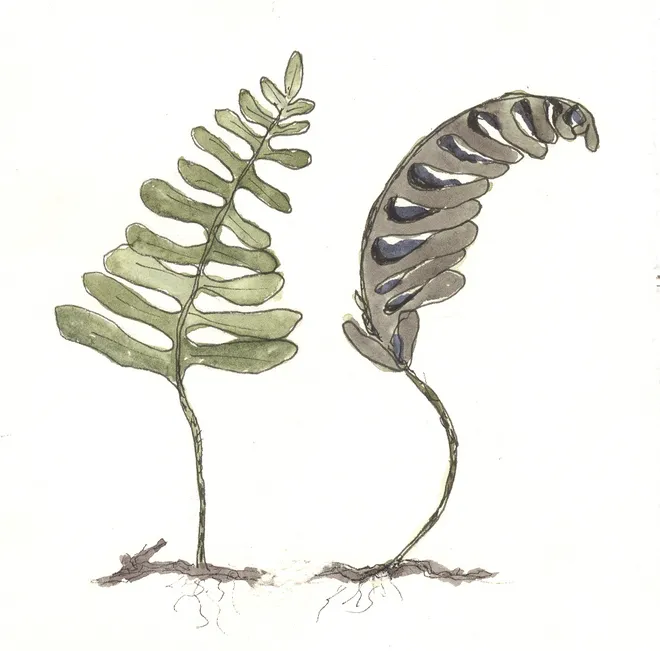
Common Fern Diseases and Pests to Be Vigilant Against:Ferns, though often resilient, are by no means impervious to the depredations of disease and pestilence. The sustained vitality of these plants depends upon the early recognition of pathological symptoms and the timely implementation of remedial measures. The following constitutes a survey of the most prevalent afflictions and infestations to which ferns are susceptible.
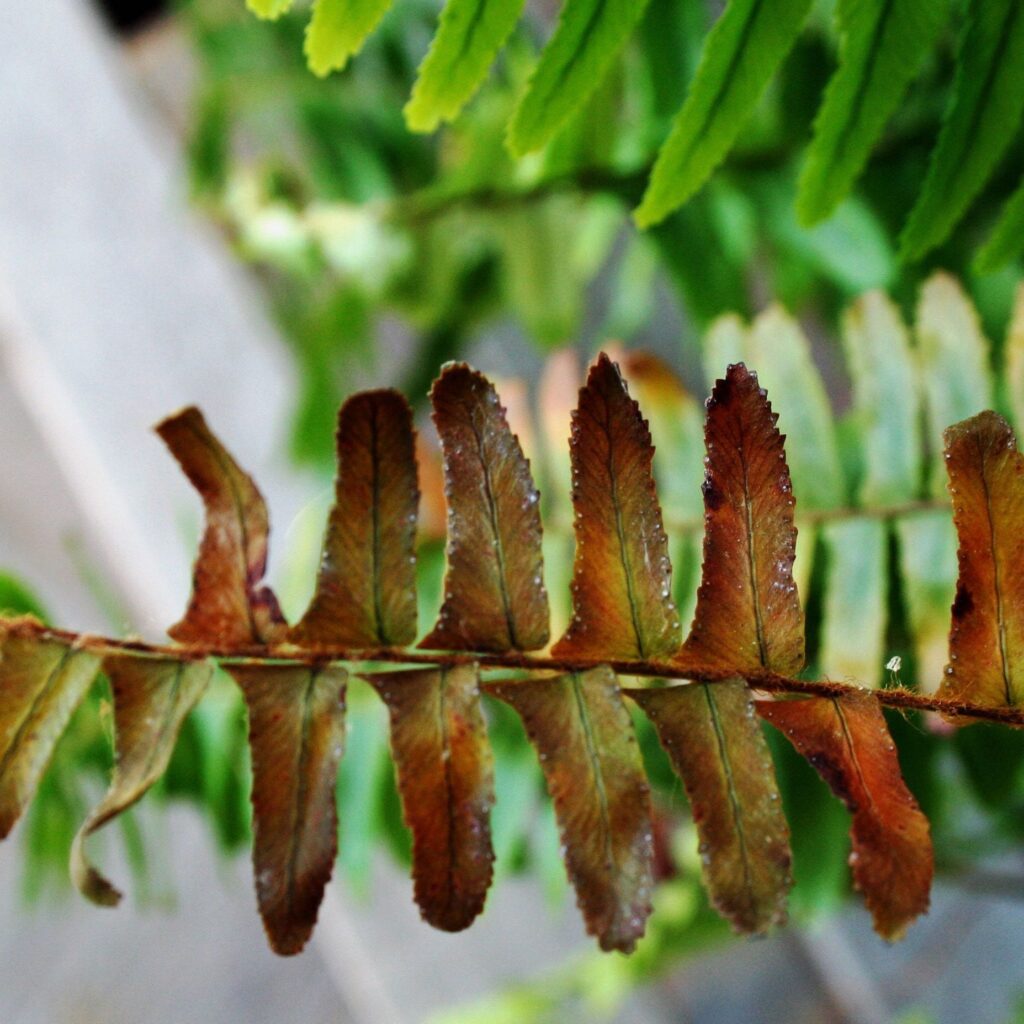
Fungal Diseases
a. Leaf Spot: Induced by a consortium of fungal pathogens, this condition manifests as necrotic brown or black lesions upon the fronds. Effective management entails the avoidance of overhead irrigation, the promotion of adequate օդ circulation, and the excision of infected foliage. Fungicidal applications may be employed where necessary.
b. Root Rot: Frequently arising from excessive irrigation and inadequate drainage, root rot is associated with fungi such as Pythium and Rhizoctonia. Symptomatology includes chlorosis, wilting, and diminished vigor. Mitigation requires the reduction of watering, enhancement of substrate drainage, and removal of compromised root tissue; fungicides may be warranted in advanced cases.
Bacterial Diseases
a. Bacterial Wilt: This malady induces foliar wilting accompanied by yellowing or browning. Preventative strategies include judicious watering, maintenance of adequate օդ movement, and the avoidance of mechanical injury to plant tissues. Affected foliage should be excised, and bactericidal treatments applied if required.
Viral Diseases
a. Mosaic Virus: Characterized by a mottled interplay of chlorotic and verdant tissues across the fronds, this virus lacks a curative remedy. Prevention is therefore paramount—vector control, particularly of sap-feeding insects, is essential, alongside the prompt removal and destruction of infected specimens.
Pests
a. Aphids: These diminutive, soft-bodied insects extract phloem sap, inducing foliar distortion, chlorosis, and curling. Management may include the application of insecticidal soaps, neem-based formulations, or the introduction of biological control agents such as coccinellid beetles.
b. Spider Mites: Minute arachnids that elicit stippling and chlorosis, often accompanied by delicate webbing. Control strategies encompass elevating ambient humidity, mechanical cleansing of foliage, and the use of insecticidal soaps or neem oil.
c. Scale Insects: Sessile, sap-feeding organisms that adhere to plant surfaces, leading to chlorosis and impaired growth. Mechanical removal or treatment with insecticidal soaps or neem oil is recommended.
d. Mealybugs: Cottony, sap-feeding insects that provoke foliar yellowing and deformation. They may be eradicated באמצעות alcohol-soaked swabs or treated with insecticidal soaps or neem-based products.
Preventative husbandry remains the most efficacious strategy for maintaining fern health. Optimal irrigation practices, appropriate humidity, and sufficient օդ circulation are indispensable. Routine inspection enables the early detection of anomalies, permitting swift intervention. Through vigilance and proactive care, ferns may be safeguarded against the majority of common afflictions.
In outdoor settings, ferns seldom succumb to significant pest pressures and are among the most undemanding herbaceous perennials. By contrast, indoor specimens frequently contend with infestations fostered by the artificially arid Environment created by climate control systems. Sap-feeding insects—most notably aphids, scale, and spider mites—predominate under such conditions, although spider mites may also proliferate outdoors in arid climates during periods of elevated Temperature.
In certain regions of the United States, seasonal caterpillar activity may occasion foliar damage; however, such վնաս is typically transient, with new growth restoring the plant in the subsequent growing season. Accurate pest identification is essential: the नियमित, symmetrical patterning of spores on the abaxial surfaces of fronds—structures replete with sporangia—should not be mistaken for insect infestation, which tends to present in irregular, aggregated distributions.
| Disease | Symptoms | Pathogen/Cause | Management |
|---|---|---|---|
| Bacterial Blight (Asplenium, Bird’s Nest Fern) | Translucent spots develop all over the leaves, enlarge quickly, and turn reddish-brown with purple halos. | Pseudomonas cichorii or P. gladioli | Purchase plants free of the disease. Avoid overhead watering. Discard infected plants. |
| Graying (Nephrolepsis, Boston fern) | Leaves have a gray color, and plants have few runners. | Drought | Maintain even soil moisture at all times. Examine roots for nematode and root rot symptoms. |
| Foliar Nematode (Asplenium) | Small dark green spots form at the base of fronds. Spots turn brown to black as they enlarge. | Aphelenchoides fragariae | Discard infected plants. Avoid wetting the fronds when watering. |
| Frond Lobing (Asplenium) | Fronds have many lobes and indentations. Frond tips may be crinkled or dead. | Over-fertilization | Reduce the amount of fertilizer being used and leach the pots. |
| Leaf Tip Burn | The tips of fronds and leaflets brown and die. | Over-fertilization | Reduce the amount of fertilizer being used and leach the pots. |
| Nematodes | Foliage grays, wilts, and dies. Roots are rotted. | Pratylenchus sp. | Pot in pasteurized potting mix. Discard infected plants. |
| Pythium Root Rot | Plants have a gray color or are yellowed, stunted, and wilted. Roots are brown and rotted. | Pythium | Plant in pathogen-free, pasteurized potting mix. Apply a fungicide to protect plants. |
| Rhizoctonia Blight | Brown, irregularly shaped spots form on the foliage close to the crown or sometimes at the top. Spots spread very rapidly. Webbing of the fungus forms from frond to frond. | Rhizoctonia solani | Plant in pathogen-free, pasteurized potting mix. Apply a fungicide to protect plants. |
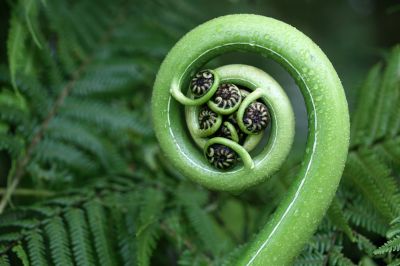
Aphids
Aphids are prolific sap-feeders capable of producing multiple generations within a single growing season. Infestation is often evidenced by dieback of discrete stems, browning of fronds, and the presence of honeydew—a viscous exudate that may stain surfaces or attract opportunistic insects such as ants. While seldom lethal to established plants, unmanaged populations can escalate rapidly.
Treatment of Aphids on Ferns
The prompt removal of heavily infested fronds is advisable to curtail dissemination. Plants may be rinsed with a forceful جریان of water—outdoors via hose or indoors within a shower—to dislodge insects. Given the Sensitive nature of ferns, many pesticidal formulations, including certain साबुन-based sprays, may prove phytotoxic. Only products explicitly indicated for the specific fern species should be applied.
Prevention of Aphids on Ferns
Physiological stress—particularly from over- or under-watering—predisposes plants to aphid colonization. In densely arranged indoor collections, infestations may propagate swiftly; thus, strict quarantine protocols are essential. Affected specimens should not be reintroduced until all signs of infestation have ceased and Healthygrowth has resumed.
Fern Scale
Scale insects, particularly prevalent during winter months, possess a protective արտաքին covering that renders control more challenging. Females are typically brown, whereas males exhibit a striking white coloration with a central brown stripe. Occupying the undersides of fronds, they are occasionally misidentified as reproductive structures.
Infestation results in gradual dieback as sap extraction impedes nutrient Delivery. In outdoor landscapes, scale is more common in regions characterized by mild winters and गर्म summers, such as the southern and western United States.
Treatment of Fern Scale
Horticultural soaps often prove ineffective against armored scale, while more aggressive химиялық treatments risk damaging the host plant. Mechanical removal using alcohol-soaked swabs is both effective and widely tolerated. In severe cases, excision of heavily infested tissues is warranted. Quarantine should be maintained until no further emergence is observed.
Prevention of Fern Scale
All newly acquired plants should be meticulously inspected prior to introduction. In outdoor settings, avoid proximity to known host species, including citrus and other woody plants prevalent in USDA zones above 9. Certain tropical ornamentals—such as Bird of Paradise, staghorn ferns, Monstera, and Dracaena—may harbor scale asymptomatically.
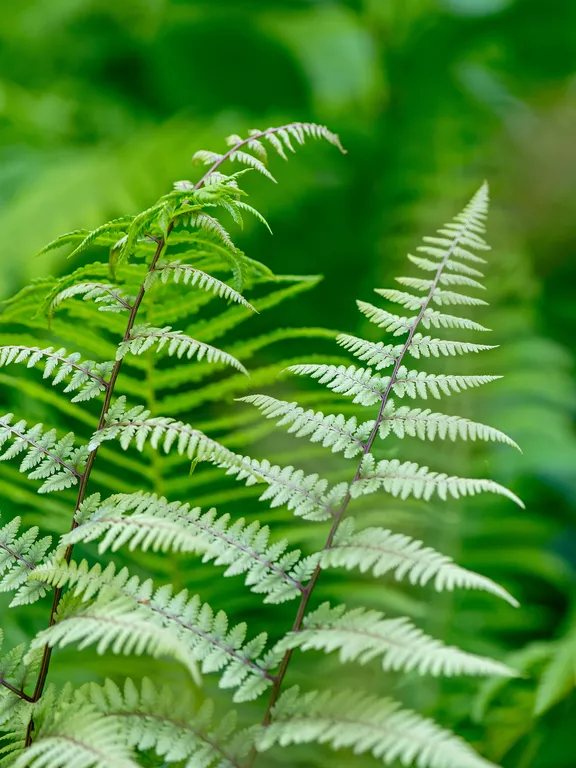
Spider Mites
These diminutive arachnids, often appearing as reddish specks, inflict damage that manifests as chlorotic stippling. At high population densities, they produce fine सिलken webs facilitating dispersal between fronds. In temperate regions, multiple generations may arise, with overwintering occurring in protected plant structures.
Hot, desiccating conditions are highly conducive to population expansion, both in outdoor landscapes and within indoor environments where humidity is suppressed by heating systems.
Treatment of Spider Mites
Localized infestations may be mitigated through the removal of affected fronds. Once webbing becomes apparent, control typically necessitates the application of horticultural soap sprays—again, only those verified as safe for the species in question. Applications should be avoided at temperatures exceeding 90°F. Augmenting ambient humidity can further suppress انتشار.
Prevention of Spider Mites
Maintaining consistent soil moisture and situating plants within suitable microclimates reduces susceptibility. Periodic rinsing of foliage removes particulate matter, thereby enhancing photosynthetic efficiency while transiently increasing local humidity.
Caterpillars
A diversity of lepidopteran larvae feed upon both native and introduced ferns across the United States. Damage is recognizable as perforations or ragged margins along fronds. Feeding activity predominates in summer, culminating in pupation. Woolly bear caterpillars are particularly conspicuous late in the season. Eggs are typically deposited on the undersides of fronds in patterns distinct from spore arrangements.
Treatment of Caterpillars
Manual removal remains the most reliable control strategy. Regular inspection—irrespective of time of day—is generally sufficient, though adult moth activity is most evident during evening hours. Species such as tiger, leopard, and hawk moths all originate from woolly bear-like larvae. Damage is usually transient and readily offset by subsequent growth.
Prevention of Caterpillars
All new plant material should be inspected for evidence of larval presence or feeding damage. Encouraging natural predators—including avian species and small mammals—helps regulate populations. The indiscriminate use of broad-spectrum pesticides should be avoided, as these diminish beneficial insect communities. Where necessary, targeted bacterial spore treatments may be applied early in the season, ensuring label compatibility with the fern species for optimal efficacy.