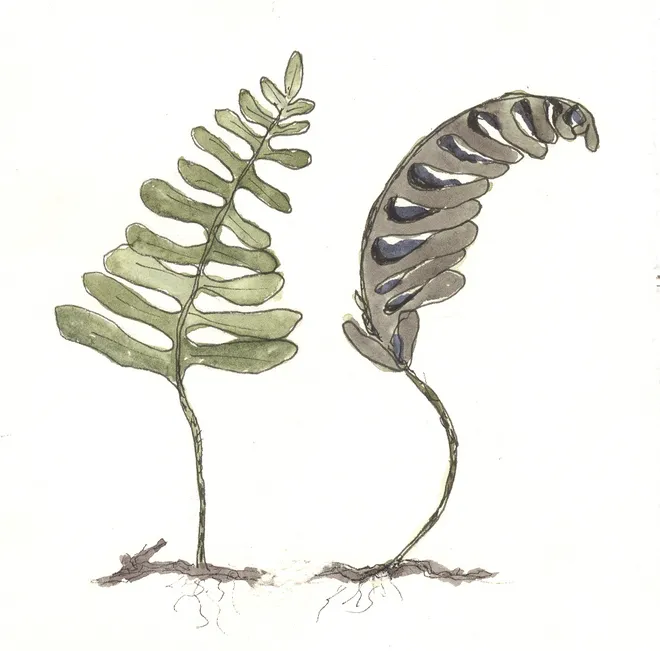
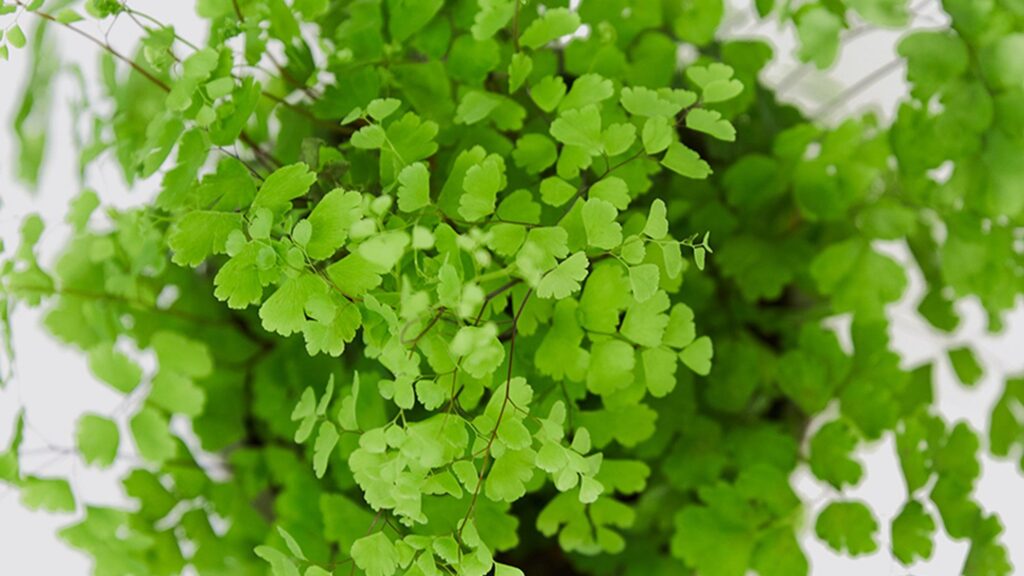
Maidenhair ferns (Adiantum raddianum) are tropical deciduous ferns known for their delicate, fan-shaped leaf segments clustered on wiry black stems. They’re a popular houseplant known for their attractive foliage and compact size. These slow-growing ferns typically take up to three years to reach their mature size. They have a lifespan of around 15 years.
Growing maidenhair ferns indoors can be tricky, as you need to replicate the conditions in their native habitat in the tropical Americas and the West Indies—indirect or dappled light, warm, humid conditions, and constantly moist yet well-drained soil. Here’s how to take care of a maidenhair fern.
| Common Name | Maidenhair fern, Delta maidenhair fern |
| Botanical Name | Adiantum raddianum |
| Family | Pteridaceae |
| Plant Type | Perennial |
| Mature Size | 1–2 ft. tall, 1–2 ft. wide |
| Sun Exposure | Partial |
| Soil Type | Moist but well-drained |
| Soil pH | Neutral |
| Hardiness Zones | 10-11 (USDA) |
| Native Area | North America, South America |
Maidenhair Fern Care
Refined Care Guidelines for Maidenhair Fern
Optimal Placement: Situate your maidenhair fern in a location suffused with bright, indirect illumination or gently dappled light.
Ideal Conditions: Maintain an ambient temperature near 70°F while ensuring consistently elevated humidity levels.
Preferred Soil Composition: Cultivate in a moist yet well-drained potting medium.
Watering Regimen: Irrigate regularly to preserve uniform soil moisture, avoiding both desiccation and waterlogging.
Light
To emulate the fern’s native understory habitat, position it where it receives abundant yet indirect sunlight. Shield it from intense, direct rays, as its fragile fronds are prone to scorching. Conversely, insufficient light may result in stunted growth and chlorotic foliage.
Soil
Employ a well-aerated potting substrate enriched with 20–50% organic matter—such as compost—to enhance moisture retention while preserving adequate drainage.
Water
Sustain a consistently moist soil environment without allowing saturation. Water with regularity to prevent drying, yet never permit the plant to stand in residual water accumulated in trays or decorative containers.
Temperature and Humidity
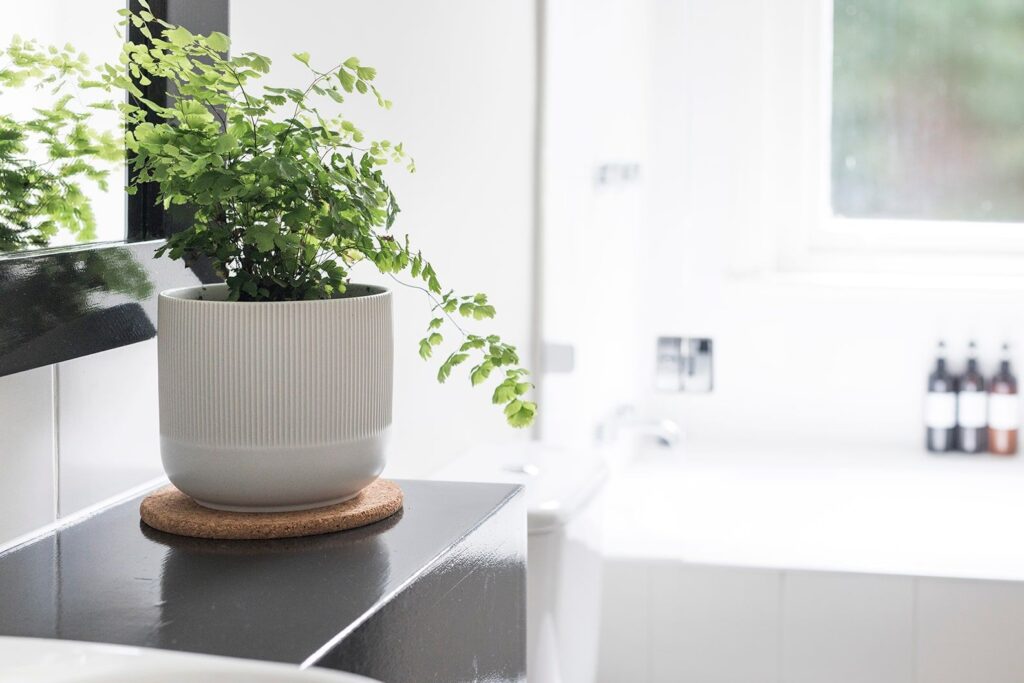
Maidenhair ferns flourish in warm, humid atmospheres. Maintain temperatures above 70°F, and avoid exposure to cold drafts or environments where temperatures may fall below 60°F. To augment humidity, position the plant near a humidifier or within naturally humid spaces such as bathrooms.
Fertilizer
Fertilization is not essential for the well-being of maidenhair ferns. However, should supplemental nutrition be desired, apply a balanced houseplant fertilizer diluted to half strength once monthly from March through September. Refrain from using nitrogen-rich formulations, which may scorch the delicate leaf margins.
Varieties of Maidenhair Fern
Belonging to the Adiantum genus, which encompasses over 200 species worldwide, maidenhair ferns exhibit notable diversity. Among the more prevalent species are:
- Northern Maidenhair Fern (Adiantum pedatum): Native to eastern North America and parts of Asia, this species is widely cultivated in shaded outdoor gardens.
- Western Maidenhair Fern (Adiantum aleuticum): Also known as the Aleutian maidenhair, it thrives along the western coast of North America, often near waterfalls where it benefits from ambient spray.
- Southern Maidenhair Fern (Adiantum capillus-veneris): Commonly referred to as the Venus maidenhair fern, it is distributed across the southern United States and other temperate to tropical regions globally.
Pruning
Routine pruning is unnecessary; simply excise any dead or damaged fronds at the plant’s crown to maintain its aesthetic and vitality.
Potting and Repotting
Maidenhair ferns tolerate slight root confinement and require repotting only when roots begin to outgrow their container. Select a new pot one to two inches larger in diameter, preferably crafted from plastic or glazed ceramic. Avoid terra cotta, as its porous nature accelerates moisture loss.
Propagation
Propagation is readily achieved through division. Prepare several pots, fresh potting mix, and a clean, sharp blade. Proceed as follows:
Water the plant thoroughly several days prior to division.
Partially fill new containers with fresh soil.
Carefully remove the fern from its pot.
Divide the root ball into two or three sections, ensuring each contains viable rhizomes and foliage. Remove any senescent or damaged fronds.
Plant each division in its own container and backfill with soil.
Water generously, and withhold fertilization for several months to prevent root damage.
Common Pests
Indoor maidenhair ferns are occasionally affected by scale insects and mealybugs, which adhere to the fronds. Inspect regularly and treat infestations with insecticidal soap.
Common Issues
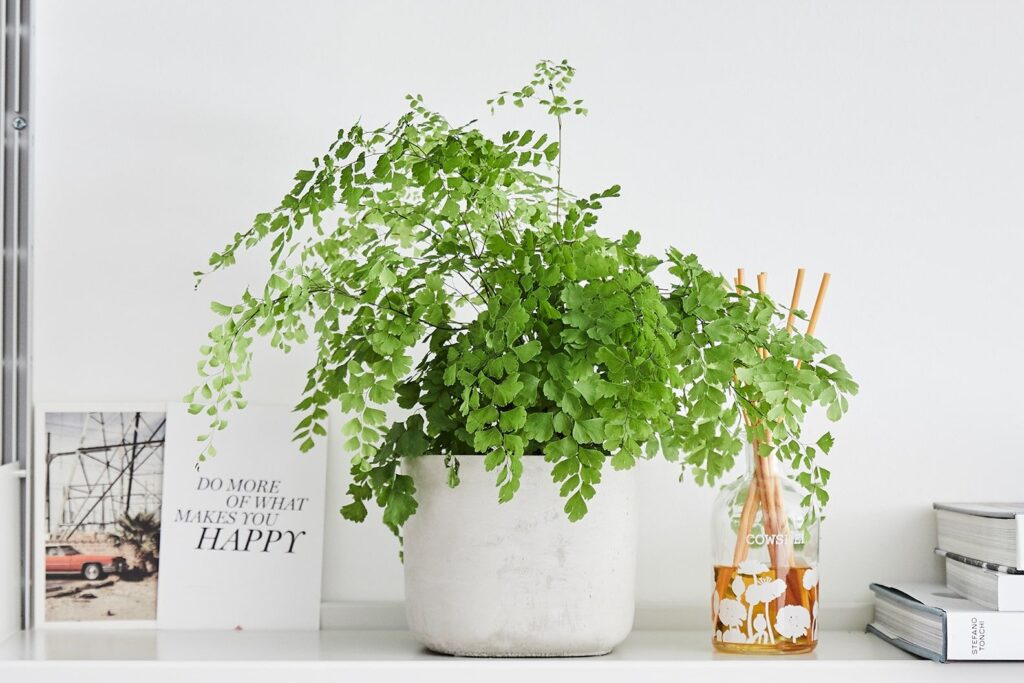
Browning Leaves
Typically indicative of arid conditions—either insufficient watering, low humidity, or both. Assess soil moisture and irrigate as needed. Increasing ambient humidity and avoiding proximity to heating or cooling vents can mitigate this issue.
Yellowing Leaves
Often a symptom of overwatering. Allow the soil to partially dry before rewatering. In severe cases, repotting with fresh substrate and removal of decayed roots may be necessary.
Leaf Drop
Excessive dryness can cause fronds to become brittle and abscise. Remove damaged foliage, water deeply, and elevate humidity. Monitor soil moisture closely to prevent recurrence.
Leaf Curling
Curling fronds typically signal insufficient humidity. Grouping with other moisture-loving plants, situating in a humid environment such as a bathroom, or employing a humidifier can restore optimal conditions.
A terrestrial, perennial, lithophytic fern with a short-creeping rhizome. Its fronds are pinnate when young and bi-pinnate when they mature, reaching 50cm in length. The sori are borne along margins of fertile pinnules beneath false indusia which turn dark grey when mature. Spores are dark brown. Despite its common name, this species does not produce a strong smell when fresh. However, when fronds are collected and dried (e.g. for an herbarium specimen), they emit a pleasant, sweet fragrance. Adiantum melanoleucum is closely related to Adiantum tenerum and can be distinguished from this species by a more pendant habit and a frond that is less branched.
Where is Fragrant Maidenhair Fern (Adiantum melanoleucum) located in the wild?
Habitat:
A. melanoleucum is native to the rockland hammocks of south Florida at very low elevations and at low to middle elevations (10-360m) in Puerto Rico (Proctor 1989). It is commonly found growing on the walls of limestone sinkholes and outcroppings. It requires high humidity but full shade to thrive, an environment which hardwood forests provide.Distribution:
Historically, Adiantum melanoleucum was endemic to southern Florida, the Bahamas, The Greater Antilles, and the Cayman Islands(Proctor 1989).
Currently, In Florida, it maintains a very tenuous hold in Everglades National Park, but two known populations exist in Miami-Dade County preserves and a third is on private property. In total, the amount of sporophytes in Florida number approximately 280 with low annual variation.States & Provinces:
Fragrant Maidenhair Fern can historically be found in Florida