Brown Tips: Why Are the Fronds of My Fern Desiccated and Crisp?Begin by restoring order to the plant. This preliminary refinement enables the fern to redirect its metabolic resources toward vigorous, healthy growth.Excise entire desiccated fronds—these will not recover their verdant hue—or remove only the affected portions using finely sharpened scissors or pruning shears. Sterilize the blades with rubbing alcohol between each incision. Pruning may need to be undertaken in measured stages; never remove more than 20% of the compromised foliage at a single time, as excessive reduction may induce physiological shock.
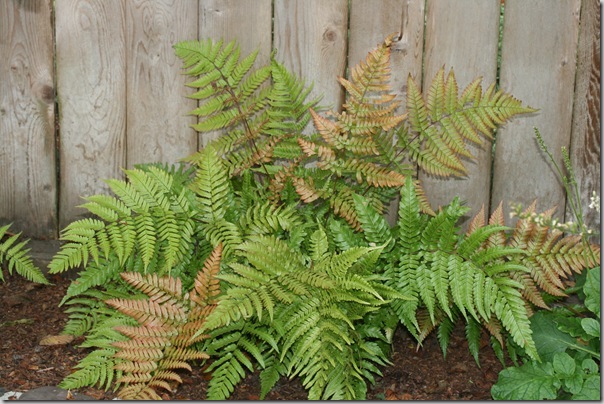
Severely Desiccated Substrate
Ensure that the fern is not subjected to chronic under-watering. Maintain a consistent irrigation regime, watering thoroughly once approximately 25–50% of the substrate has dried. Always discard excess water collected in the saucer.
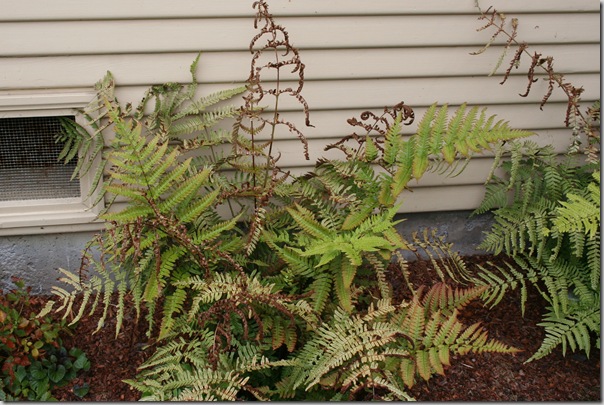
If the soil has been allowed to desiccate entirely, fronds may wilt, become brittle, and ultimately abscise. When the root ball is thoroughly dry, a deep rehydration is required.
To rehydrate by submersion:
Position the plant in a sink or tub without its saucer. Fill the basin with approximately 7–10 cm (3–4 inches) of lukewarm water—never hot. Allow the plant to absorb moisture through the drainage apertures for no less than 45 minutes. After soaking, assess the upper substrate layer: has moisture permeated the upper 5–7 cm (2–3 inches)? If not, lightly irrigate from above to expedite uniform saturation. Once the soil is evenly moist, drain the basin and permit the plant to rest as excess water dissipates. Return it to its saucer and original placement.
Be mindful that abrupt transitions from extreme dryness to full saturation can impose stress, potentially leading to foliar loss. Allow time for acclimation.
Insufficient Atmospheric Humidity
In their native habitats, ferns inhabit the humid understory of forest ecosystems. They flourish in environments of elevated humidity, such as bathrooms or kitchens. Humidity may be augmented through regular misting, the use of pebble trays, or the placement of a humidifier nearby.
Temperature Instability
Leaf curling frequently arises when temperatures fall below optimal thresholds. Desiccated margins or necrotic patches may also result from persistent thermal fluctuations, such as proximity to heating systems. Avoid situating the plant in draft-prone areas, near poorly insulated windows during winter, or in the direct path of ventilation outlets.
What Ails My Fern? The Etiology of Browning Fronds
Do your ferns exhibit shriveled, brown fronds or a pallid, bleached aspect? While solar injury is commonly associated with human skin, plants are equally susceptible to photodamage.
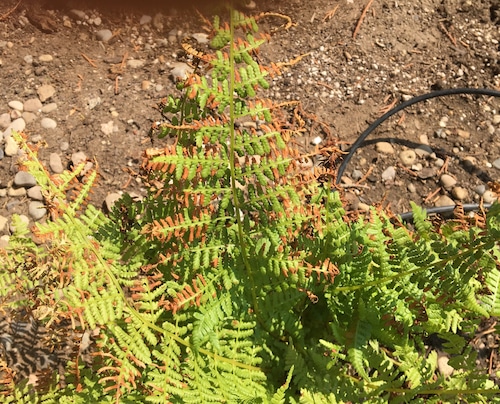
This is a frequent phenomenon. Shade-adapted taxa such as ferns, when abruptly exposed to intense illumination, may display marginal desiccation, curling, and chlorotic or bleached foliage. Such damage may arise from misjudging ambient light levels or from environmental alterations—such as the pruning of overstory vegetation—that increase light penetration beyond the plant’s tolerance.
Newly acquired plants are particularly vulnerable. Specimens cultivated under greenhouse cover, if not properly acclimatized (“hardened off”), may incur photodamage even when placed in conditions that would otherwise be suitable for the species.
By contrast, it is essential to distinguish solar injury from the natural senescence of fronds. Ferns typically retain their foliage for one to two years, after which the oldest fronds gradually senesce, turning brown and receding. Concern is warranted when deterioration occurs prematurely; newly emergent growth should remain verdant and aesthetically robust for at least a year.
Natural senescence generally affects the oldest fronds nearest the plant’s base. In cases of photodamage, however, the most affected fronds are those positioned at the apex, directly exposed to incident light. When a damaged frond is displaced, those beneath are often revealed to be healthy and green.
In natural settings, such as among wild sword ferns, frond senescence is typically confined to the lowest strata of foliage.
Remedial Measures for Suspected Photodamage
First, exclude irrigation-related causes. Both insufficient and excessive watering can produce similar symptoms, including premature browning and marginal desiccation. Assess whether the substrate is waterlogged or excessively dry; if so, rectify these conditions before attributing the issue to solar injury. Observe subsequent growth over several months—if newly unfurling fronds exhibit similar damage, excessive light exposure is the likely cause, and relocation to a more shaded environment is warranted.
Second, for newly acquired specimens, a period of gradual acclimation may suffice to resolve mild photodamage. Although damaged fronds will not recover, newly emerging growth should remain healthy. Persistent injury to new fronds over time indicates the necessity of repositioning.
Following relocation, the plant should re-establish equilibrium relatively swiftly. Within approximately one month, newly unfurled fronds should emerge healthy and retain their vitality for at least a year.
Ferns are characteristically resilient, low-maintenance plants, seldom afflicted by pests or disease. When provided with appropriate light and consistent hydration, they will thrive with enduring vigor.