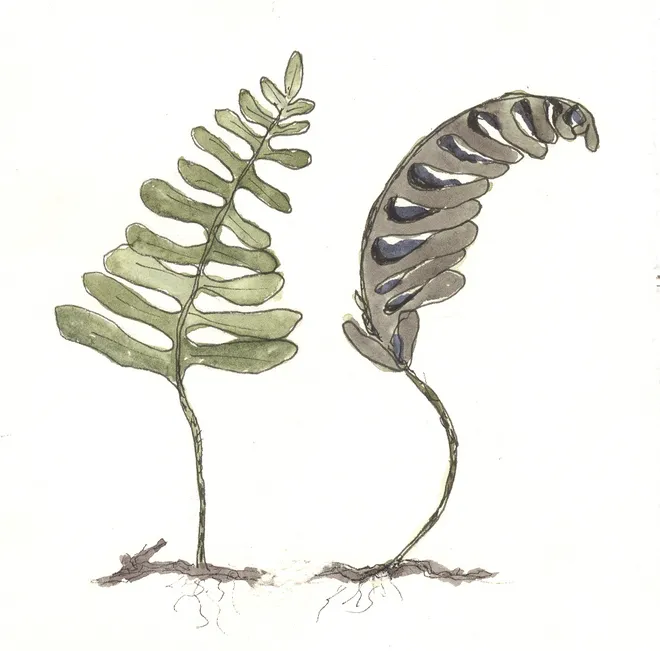
Growing Ferns Outdoors:Ferns are most often encountered in woodland settings, yet they lend an equally compelling presence to cultivated gardens. Here, we examine the principles of cultivating, maintaining, and propagating these ancient plants.
The cultivation of ferns encompasses a spectrum of horticultural practices, ranging from the more deliberate acts of planting to the steady rhythms of irrigation. Within the garden, ferns offer a quiet fascination: the delicate unfurling of fronds in spring, and the intricate architectures revealed on their undersides. For those inclined toward introspection, there is perhaps a subtle affinity with these plants, which flourish contentedly at the margins, requiring no central prominence.
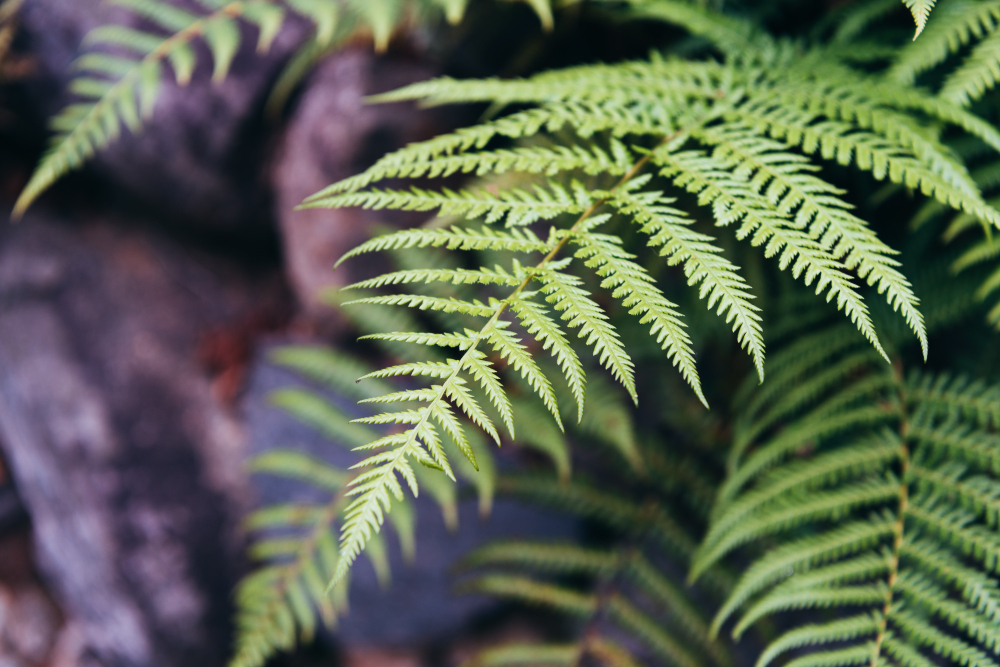
Their primeval aspect is no illusion. Ferns have persisted on Earth for approximately 300 million years, predating even the age of dinosaurs.
Historically, ferns have enjoyed periods of intense cultural enthusiasm. In mid-19th-century Victorian England, a phenomenon known as “pteridomania” swept the nation, embedding fern motifs into decorative arts—from wallpapers to ceramics and textiles.
Although such fervour has since subsided, ferns remain exceptional garden plants, readily available through garden centres and online nurseries.
Where to Plant Ferns in the Garden
The majority of ferns cultivated for ornamental use originate from woodland habitats. Consequently, they thrive in environments characterized by moist soils and shaded conditions, or where sunlight is gently filtered.
Not all species, however, are shade-dependent. It is prudent to consult the specific horticultural requirements of each variety prior to planting.
Ferns may be established either directly in the ground or within containers. When grown in pots, attention should again be paid to light exposure, with many species preferring cooler, shaded placements.
They are also widely appreciated as indoor plants. Varieties such as the Boston fern and asparagus fern are commonly available in the houseplant sections of garden centres and online retailers.
This guide, however, focuses on ferns suited to outdoor cultivation.
With over 10,000 known species, ferns exhibit remarkable diversity. Among the most popular garden varieties are:
- Maidenhair fern (Adiantum): Though often cultivated indoors, several hardy forms perform well outdoors, distinguished by their delicate, finely divided fronds.
- Dryopteris: A diverse genus encompassing numerous species well adapted to shaded garden conditions.
- Royal fern (Osmunda regalis): Among the largest native British ferns, capable of reaching heights of up to two metres.
- Hart’s tongue fern: A native evergreen species, notable for its elongated, leathery, tongue-shaped fronds that provide striking contrast to more finely textured varieties.
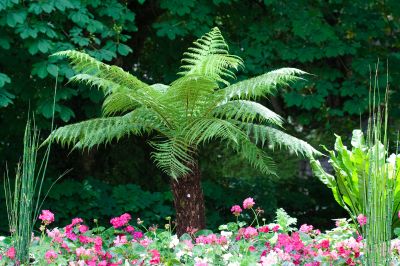
- Tree ferns: For dramatic architectural impact, tree ferns are unrivalled. The soft tree fern (Dicksonia antarctica) is particularly prized; its apparent trunk is in fact a mass of aerial roots, and mature specimens may attain heights of up to five metres.
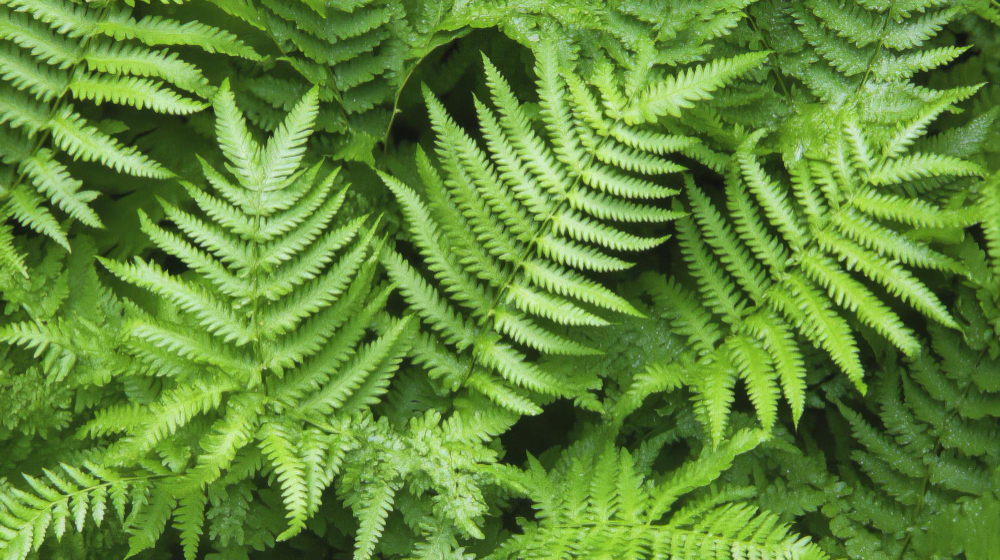
Cultivating Outdoor Hanging Ferns: A Practical Approach
For those drawn to the luxuriant aesthetic of hanging ferns, a simple and economical method can yield remarkable results.
Several years ago, in search of hanging baskets for a house frontage and patio—eight in total—the cost of flowering arrangements proved prohibitive. Instead, a visit to a local retailer’s clearance section revealed a collection of eight ferns in decidedly poor condition. Priced at merely $10 each, they presented an opportunity worth the risk.
Despite their initially neglected appearance, these plants responded with surprising vigour. Over time, they developed into exceptionally full and verdant specimens, rivaling even premium nursery stock.
This transformation was achieved through a straightforward, albeit somewhat unconventional, technique—one that proved consistently effective and merits sharing.
How to Source Outdoor Ferns at Reduced Cost
- Explore Discount Sections
In many regions, mature hanging ferns can command prices of $25 or more. For larger installations, this cost accumulates rapidly. Regularly inspecting clearance sections can yield substantial savings, though availability is often unpredictable and requires persistence. - Exercise Patience During Establishment
Ferns typically respond to increases in warmth and humidity. Initially, growth may appear stagnant—particularly under prolonged overcast conditions. However, with the onset of warmer weather, new growth can emerge rapidly. - Provide Diffuse Light or Full Shade
Ferns perform best when shielded from direct sunlight. Diffused light or complete shade offers ideal conditions, protecting delicate fronds from desiccation and scorch.
Encouraging Renewal and Vigour
As new fronds develop, older foliage often appears fatigued and discoloured. Gradual removal of this ageing growth—pinched away in proportion to emerging fronds—encourages a complete renewal of the plant without compromising its structure. Over the course of approximately one month, this process can result in entirely rejuvenated foliage.
Watering Regime
Ferns exhibit a pronounced preference for consistently moist substrates. During warm periods, daily watering is often required, with each plant receiving a thorough saturation.
A useful indicator of sufficient hydration is the onset of drainage from the base of the container. Maintaining evenly moist soil—particularly peat-based media—facilitates optimal water uptake.
For root-bound specimens resistant to surface watering, submersion of the entire container in water allows for complete rehydration.
Seasonal Considerations
While outdoor ferns can achieve impressive growth during the summer months, overwintering presents challenges. Attempts to transition mature plants indoors may be hindered by root congestion and declining vitality. Repotting into fresh substrate and providing ample light may improve survival prospects.
It should be noted, however, that ferns can be notably untidy as houseplants, shedding fine debris that necessitates regular maintenance.
Despite their understated nature, ferns reward attentive care with a lush, enduring elegance—an ancient lineage thriving quietly within the modern garden.
Caring for Outdoor Ferns: Enhancing the Beauty of Nature
Outdoor ferns add at ouch of elegance and greenery to our gardens and outdoor spaces. A few of the most common varieties found in the Pacific Northwest include, Western Sword Ferns (Polystichum munitum), Deer Ferns (Streuthiopteris spicant), Lady Ferns (Athyrium filix-femina), and Maidenhair Ferns (Adiantum pedatum). Ferns are luscious plants that require specific care to thrive in their natural habitat. In this article, we will explore some essential tips and techniques to help you care for your outdoor ferns effectively.
1. Choosing the Right Location:
When selecting a location for your outdoor ferns, its crucial to consider their natural habitat. Most ferns prefer partial shade and filtered sunlight, as direct sunlight can scorch their delicate fronds. Look for an area with dappled light or morning sun and afternoon shade. Additionally, make sure the location provides shelter from strong winds to prevent the fronds from drying out.
2. Soil Preparation:
Ferns thrive in well-draining soil that retains moisture. Before planting, prepare the soil by adding organic matter such as compost or aged leaf mulch to improve its structure and water-holding capacity. This will ensure the ferns get the necessary nutrients and moisture for healthy growth.
3. Watering:
Keeping the soil consistently moist is crucial for the well-being of outdoor ferns. Water them regularly, especially during dry spells or hot summer months. However, avoid overwatering, as excessive moisture can lead to root rot. Monitor the soil moisture level by feeling the top inch of soil – if it feels dry, it’s time to water. Mulching around the base of the ferns can help retain moisture and reduce evaporation.
4. Fertilizing:
Outdoor ferns typically benefit from regular fertilization during the growing season. Choose a balanced, slow-release fertilizer and apply it according to the package directions. Avoid using high-nitrogen fertilizers, as they can promote excessive foliage growth at the expense of frond development.
5. Pruning and Maintenance:
Regular pruning is important to keep your outdoor ferns tidy and encourage healthy growth. Remove any dead or yellowing fronds by gently cutting them at the base using clean and sharp pruning shears. Be careful not to damage the crown of the plant when pruning. Additionally, inspect your ferns regularly for pests or diseases, and take appropriate measures to control them if necessary.
6. Winter Care:
Some outdoor ferns are more cold-hardy than others. If you live in an area with freezing temperatures, consider choosing fern varieties that can withstand frost. For less hardy ferns, protect them during the winter by covering the plants with mulch or moving them to a sheltered location.
With the proper care and attention, outdoor ferns can thrive and enhance the beauty of your garden or outdoor space. By choosing the right location, preparing the soil, providing adequate water and fertilizer, pruning regularly, and protecting them during winter, you will enjoy lush, vibrant ferns that add a touch of natural elegance to your surroundings. So go ahead, embrace the beauty of nature and cultivate stunning outdoor ferns by installing them in your own or your customers’ backyards!